

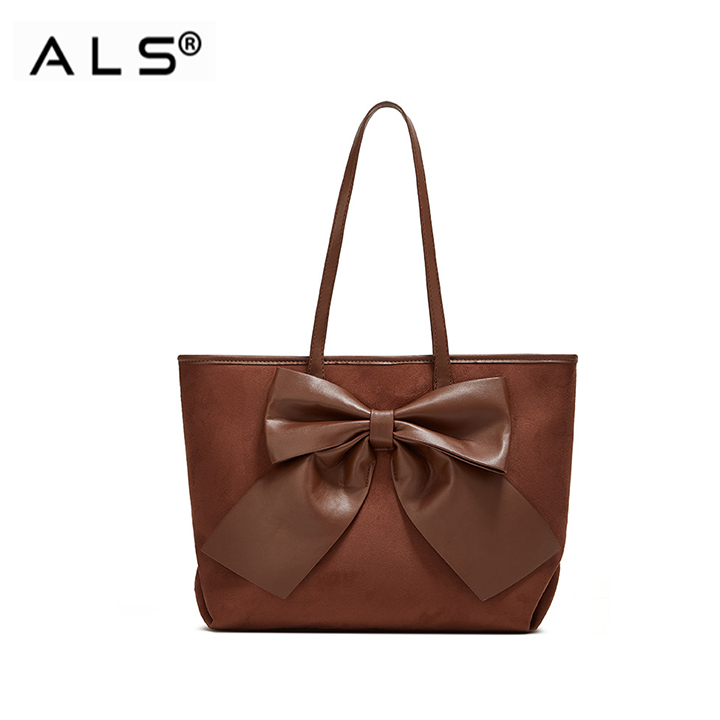
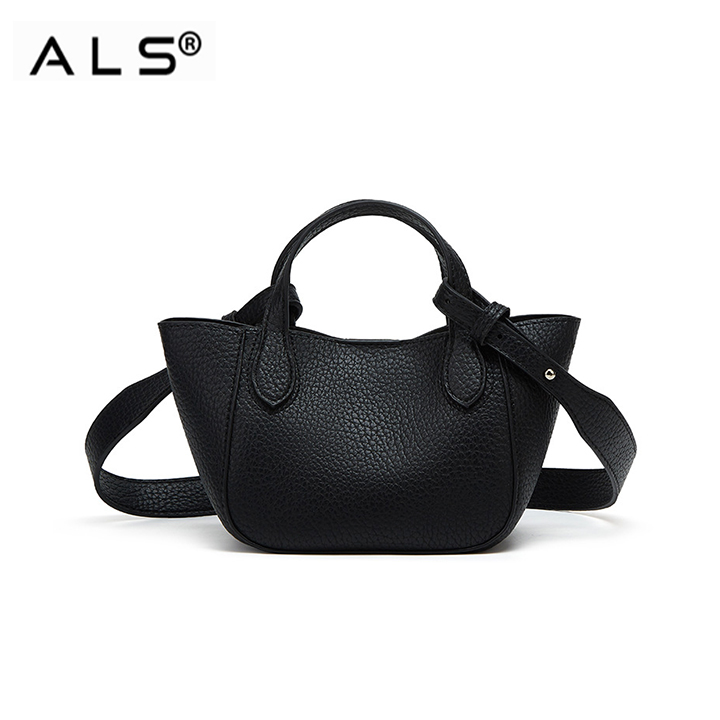
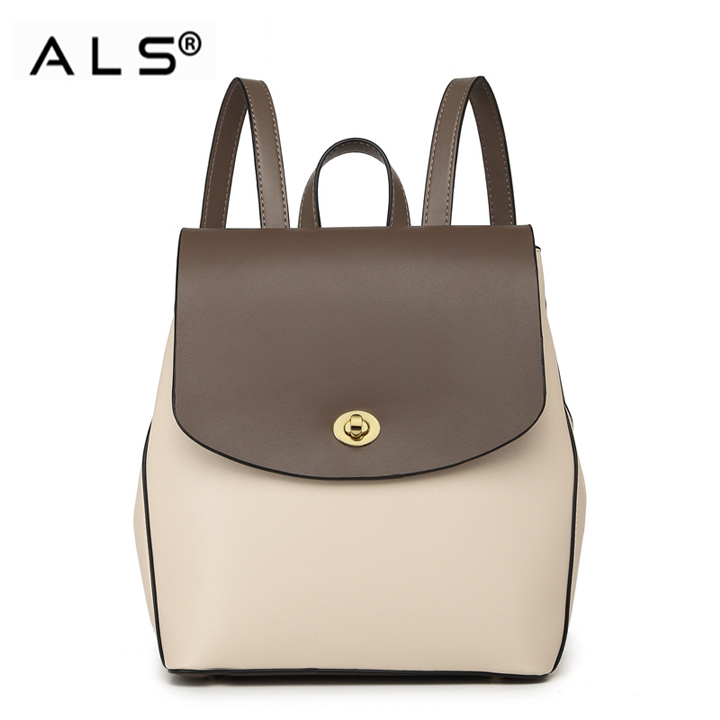
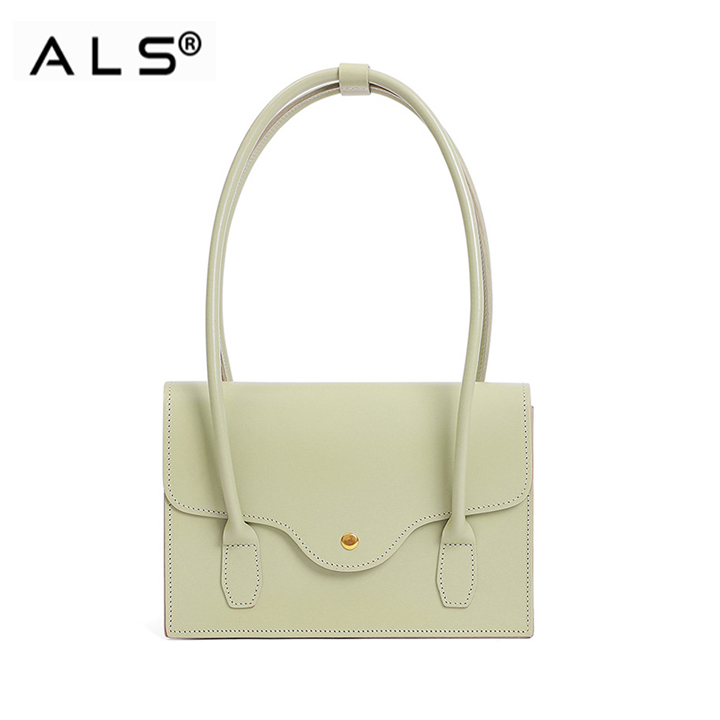
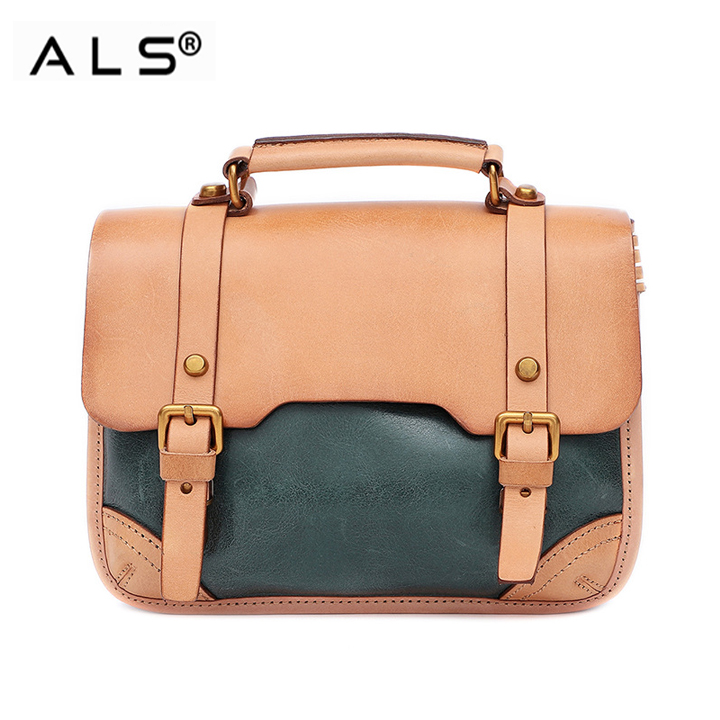
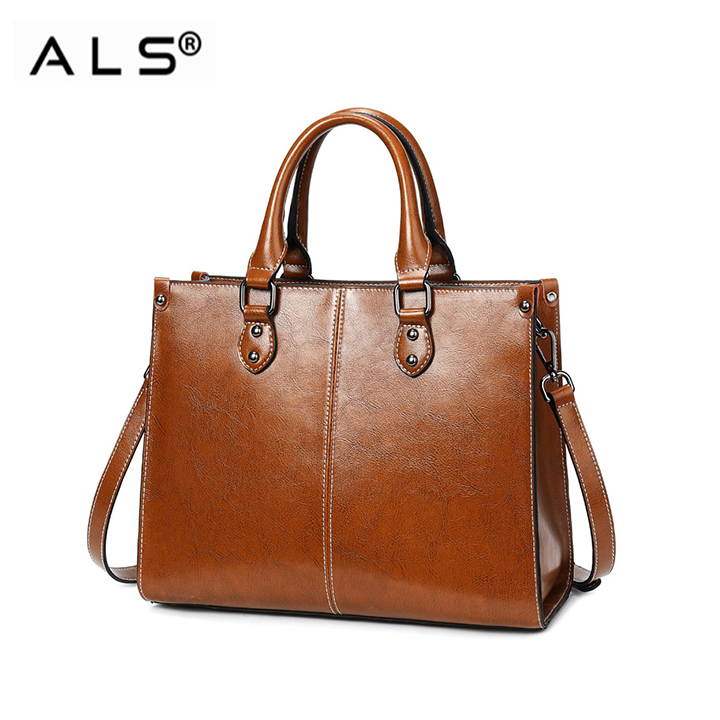
For many international buyers, quality inspection is completed before shipment, yet complaints often appear weeks later when containers arrive at destination ports. The reason is usually not poor sewing or defective materials, but moisture accumulated during ocean transportation. A professional Vietnam bag factory understands that controlling humidity is just as important as controlling production quality. Importers evaluating a Vietnam bag manufacturer should therefore examine its moisture-management system instead of focusing only on quotations or lead times.
Unlike domestic transportation, international sea freight exposes finished products to changing temperatures, tropical humidity and long transit periods. These conditions create an environment where mold, unpleasant odors and hardware corrosion can develop long after production has been completed. Understanding how experienced suppliers reduce these risks helps buyers select a dependable bag manufacturer Vietnam partner for long-term cooperation.
Why Container Condensation Is Still the Biggest Challenge for Every Vietnam Bag Factory
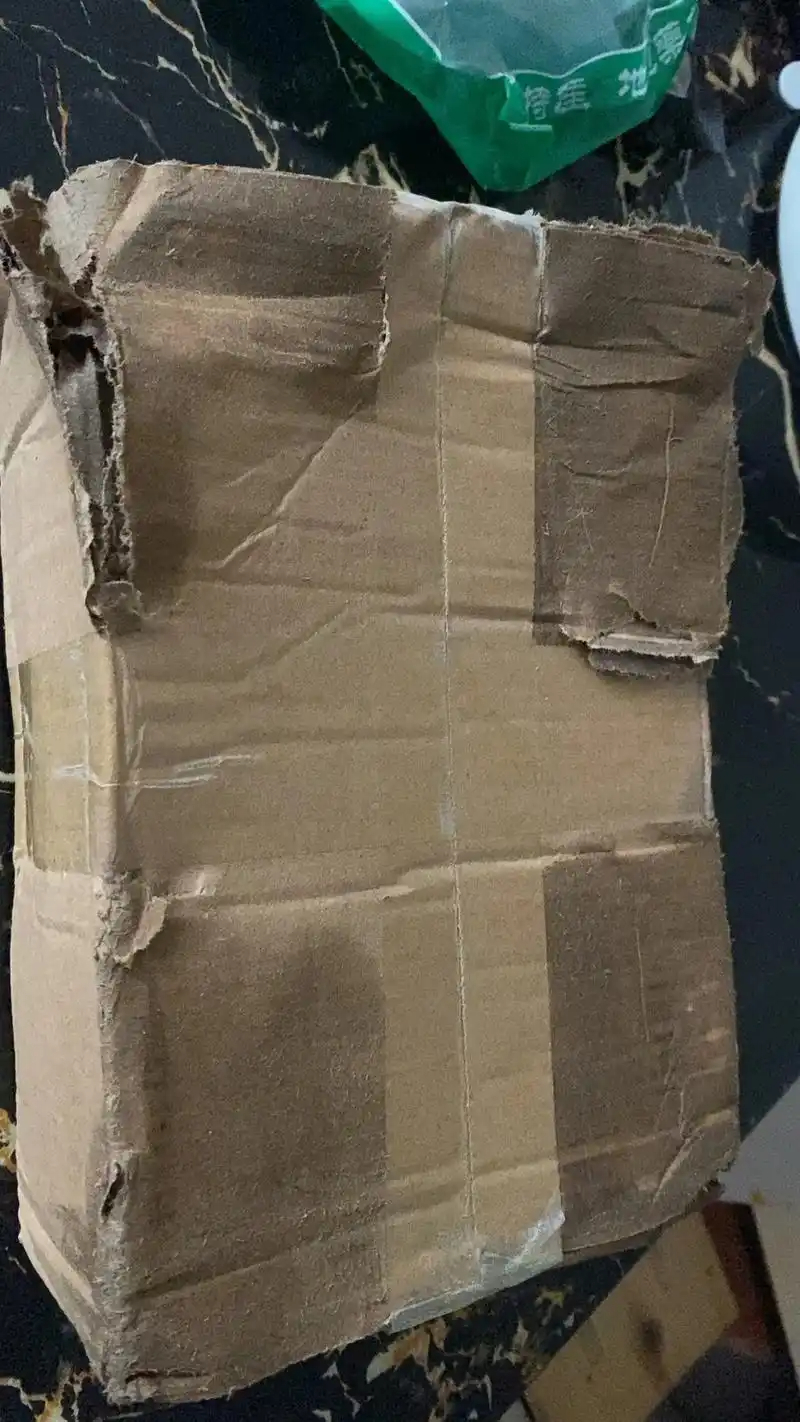
Many people assume moisture enters cartons because packaging is insufficient. In reality, the biggest threat usually comes from "container rain." During an ocean voyage, steel container walls heat up during the day and cool rapidly at night. When warm humid air contacts the colder steel surface, condensation forms naturally. Water droplets eventually fall onto cartons and slowly penetrate packaging materials.
Four Common Reasons Moisture Damage Occurs
Large temperature differences between ports create continuous condensation cycles.
Closed containers trap humid air for several weeks with almost no ventilation.
Ocean transportation lasting 20–40 days allows mold spores sufficient time to develop.
Some factories still rely only on desiccants instead of implementing systematic humidity control.
These factors explain why experienced sourcing managers often request information about environmental control procedures before confirming a production partner.

Different Bag Materials React Differently to Ocean Humidity
Not every material behaves the same during transportation. Understanding moisture sensitivity allows importers to discuss suitable packaging solutions with their supplier before production starts.
| Material | Moisture Sensitivity | Recommendation |
|---|---|---|
| Leather | Very High | Humidity control and sealed packaging are essential. |
| Canvas | High | Reduce moisture before export and avoid prolonged exposure. |
| RPET & Polyester | Medium | Use moisture barriers and suitable desiccants. |
| Nylon | Lower | Still requires controlled warehouse conditions. |
Three Layers of Moisture Prevention Used by Advanced Manufacturers
1. Production Environment
Instead of allowing finished products to move directly into cartons, advanced factories introduce dedicated dehumidification rooms where finished and semi-finished bags remain under controlled humidity conditions. Industrial temperature and humidity monitoring equipment continuously records workshop conditions, reducing residual moisture before packaging begins.
2. Standardized Export Packaging
Effective export packaging combines several protective measures instead of depending on a single solution. Metal accessories are wrapped with protective paper, bags are filled to maintain shape, anti-oxidation stickers protect exposed hardware, sealed polybags isolate external humidity, and reinforced export cartons provide additional protection throughout transportation.
3. Warehouse and Container Loading
Good warehouse practice is equally important. Cartons should remain on wooden or plastic pallets rather than directly on concrete floors. During container loading, small gaps between cargo and container walls help reduce direct contact with condensation. Packaging specifications may also be adjusted according to destination climate, sailing season and voyage duration.
Frequently Asked Questions from Global Importers
Why do bags sometimes pass inspection but still develop mold later?
Quality inspections usually evaluate finished products before shipment. Moisture problems often develop during the ocean voyage after cartons have been sealed. Long transportation combined with fluctuating temperatures creates ideal conditions for condensation.
Does shipping season affect moisture risk?
Yes. Routes passing through tropical regions or rainy seasons generally present higher humidity levels. Experienced exporters often strengthen packaging specifications for these shipments.
Should buyers request humidity-control information?
Absolutely. Asking suppliers about workshop humidity monitoring, drying procedures and warehouse management provides valuable insight into their overall quality system.
Are desiccants enough?
Desiccants are useful, but they should be considered one element of a broader moisture-control strategy rather than the only protective measure.
Importer Evaluation Checklist Before Choosing a Vietnam Bag Manufacturer
| Evaluation Point | Why It Matters |
|---|---|
| Humidity-controlled production | Reduces moisture before products are packed. |
| Dedicated drying facilities | Helps stabilize product condition before export. |
| Route-specific packaging | Improves protection for different climates. |
| Container loading procedures | Minimizes direct exposure to condensation. |
| Warehouse management | Keeps cartons away from ground moisture before shipment. |
Quick Summary Table
| Manufacturing Capability | Recommended For |
|---|---|
| Basic export supplier | Short-distance shipments with relatively low humidity exposure. |
| Humidity-monitored Vietnam bag factory | Brands seeking consistent export quality. |
| Factory with complete moisture management and customized packaging | Premium leather goods, fashion bags and long-distance ocean transportation. |
Industry Perspective
Successful international sourcing is rarely determined by the lowest quotation alone. Experienced buyers evaluate whether a supplier has established preventive systems that protect products after they leave the production line. Moisture control, warehouse management, export packaging and container loading standards often have a greater influence on final product condition than minor differences in manufacturing cost.
For brands purchasing backpacks, tote bags, travel bags, laptop bags, cosmetic bags or leather goods from a Vietnam bag factory, asking detailed questions about humidity management can significantly reduce warranty claims, replacement costs and customer complaints after delivery.
If a supplier can clearly explain its production environment, dehumidification process, packaging specifications and loading procedures, buyers generally gain greater confidence in long-term supply stability.
Key Takeaways for Global Importers
▲Container condensation is a logistics issue rather than simply a packaging issue.
▲Moisture prevention should begin during production instead of after cartons are sealed.
▲Different materials require different humidity-control strategies.
▲Warehouse storage, pallet management and container loading all influence export quality.
▲Customized packaging is often more effective than using additional desiccants alone.
▲Professional suppliers treat moisture management as part of their quality assurance system.
Whether sourcing from Vietnam for OEM, ODM or private-label production, understanding these preventive practices helps buyers compare suppliers using objective technical standards rather than price alone.
Need More Vietnam Bag Manufacturing Insights?
If you are evaluating a Vietnam bag factory, comparing OEM suppliers, or looking for practical guidance on export packaging, humidity control, quality management and international sourcing, feel free to get in touch. Sharing technical information before production begins often helps prevent costly issues after shipment.