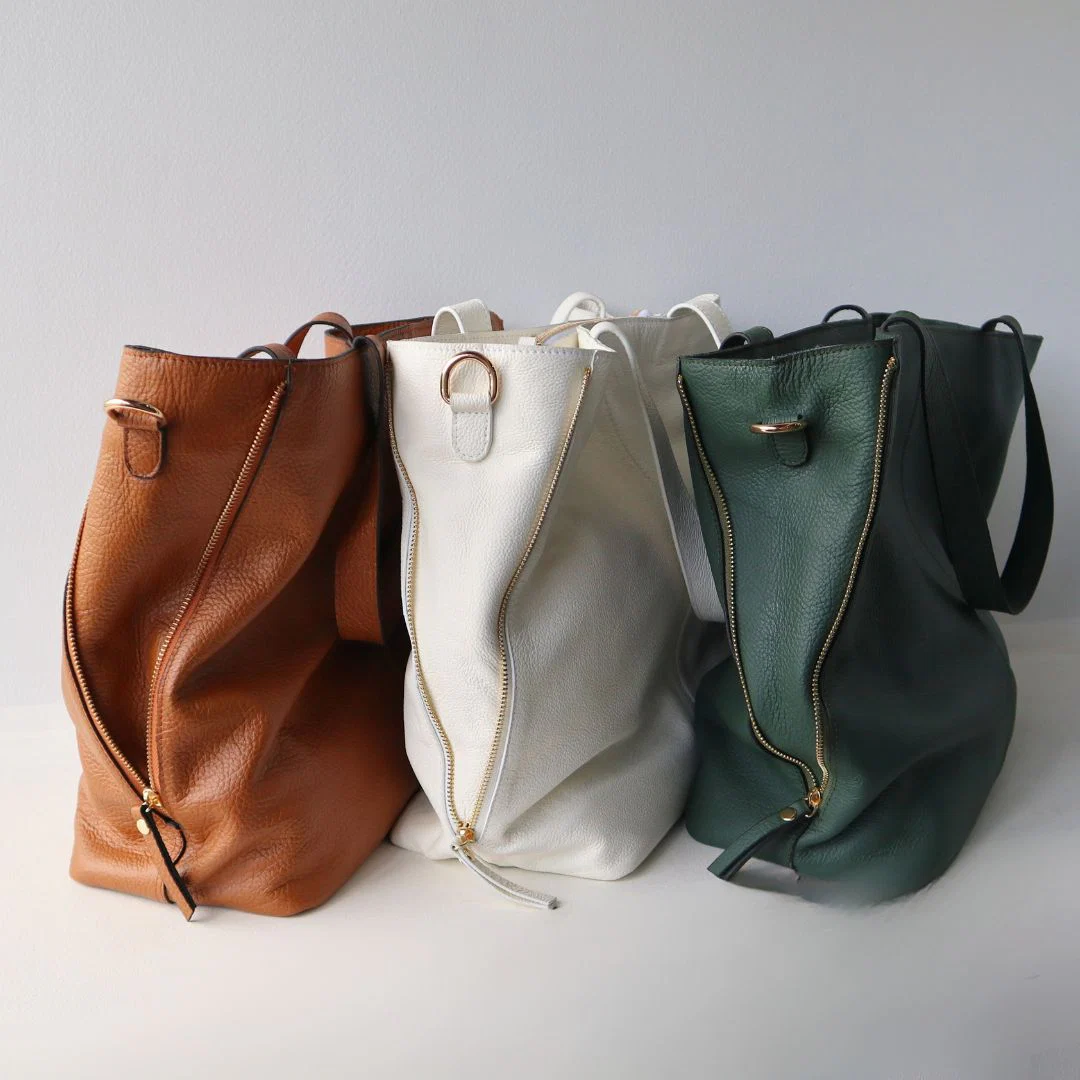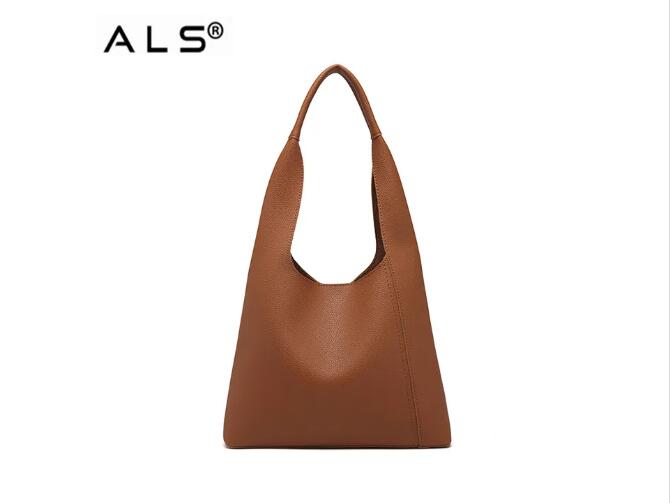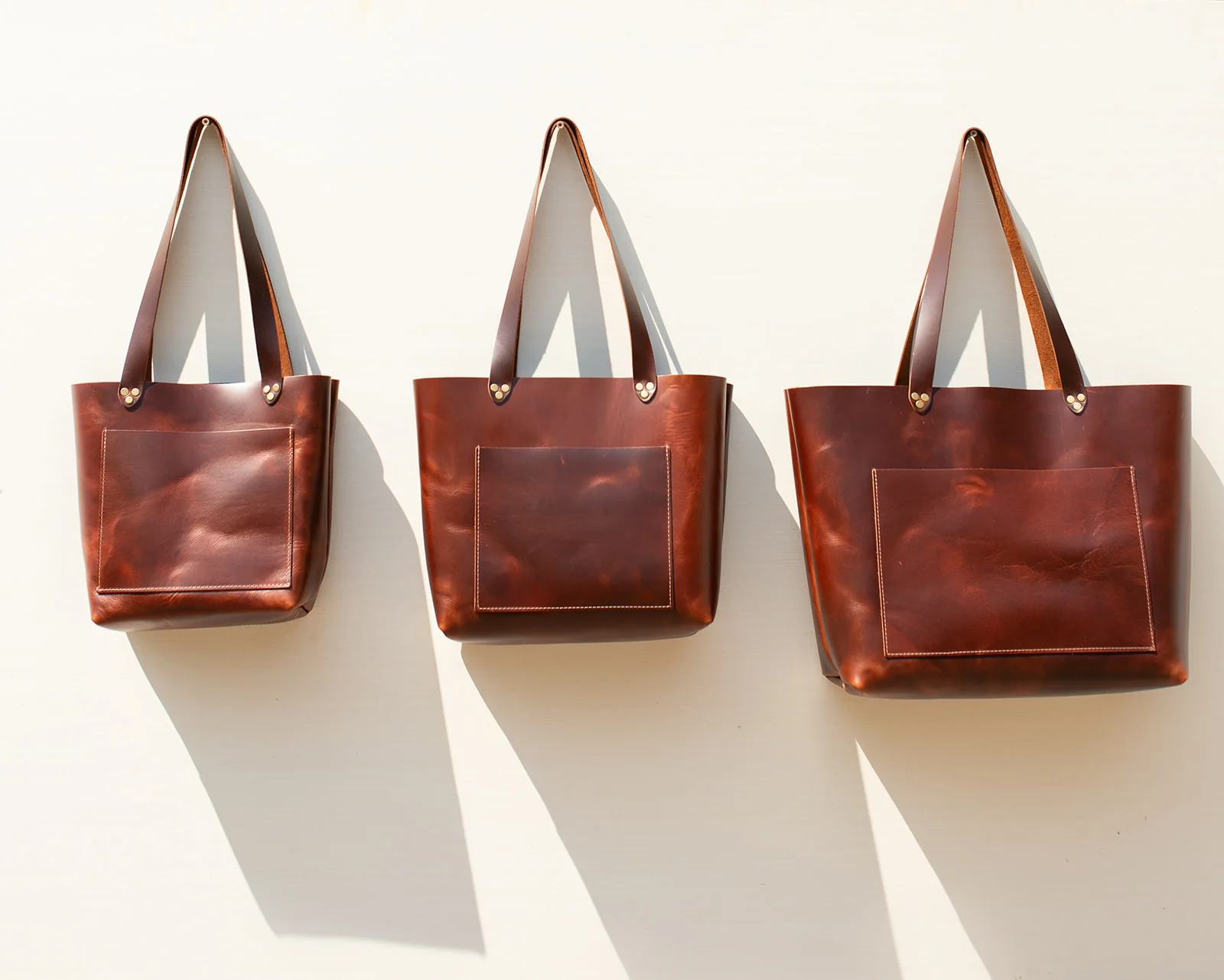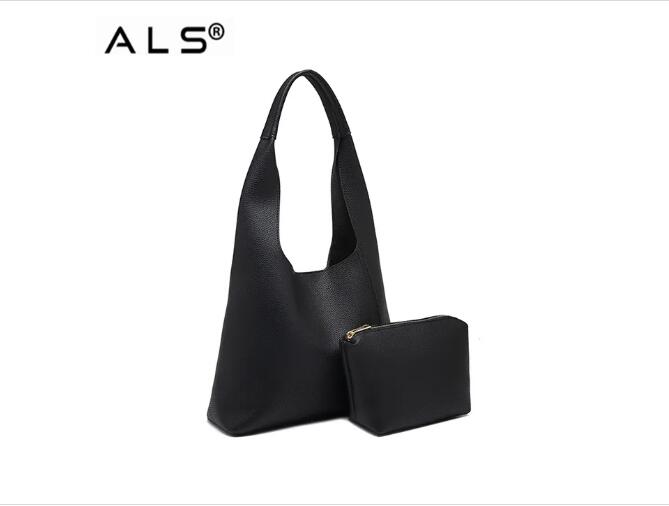
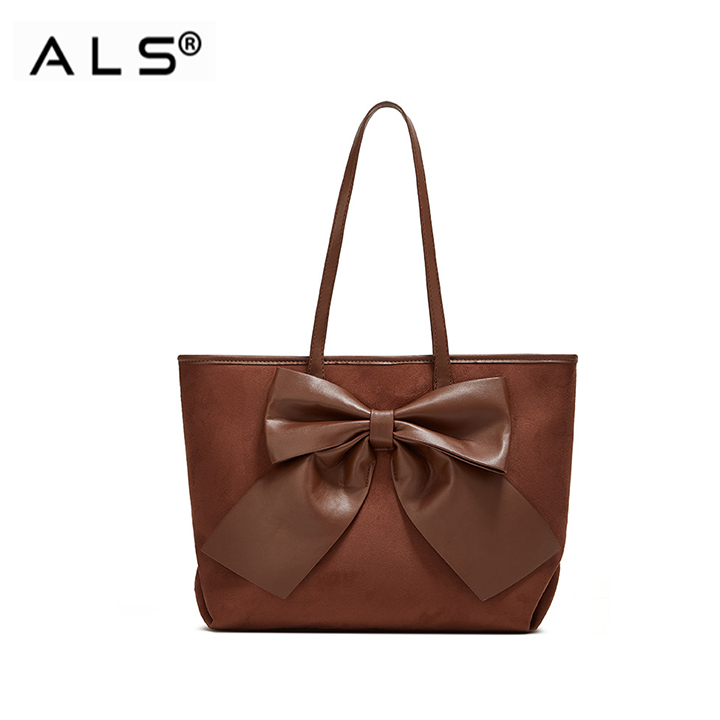
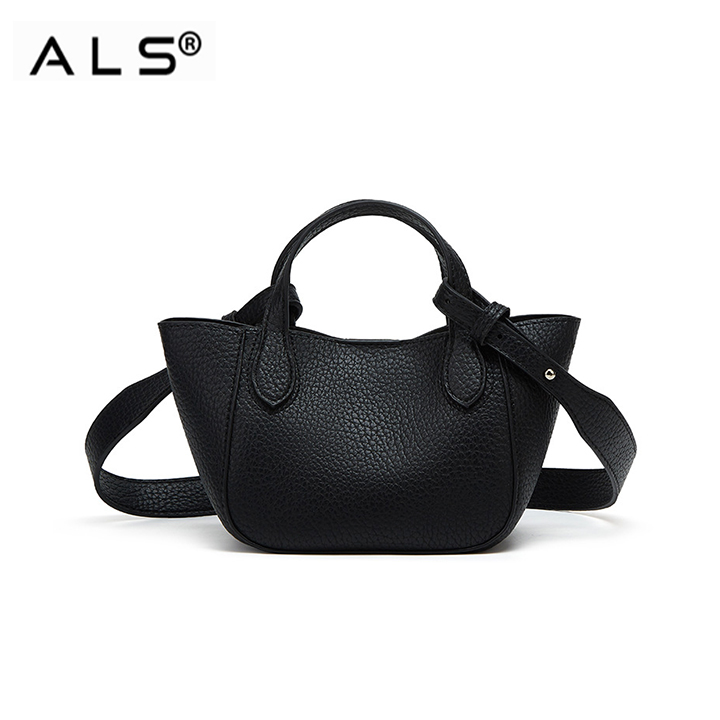
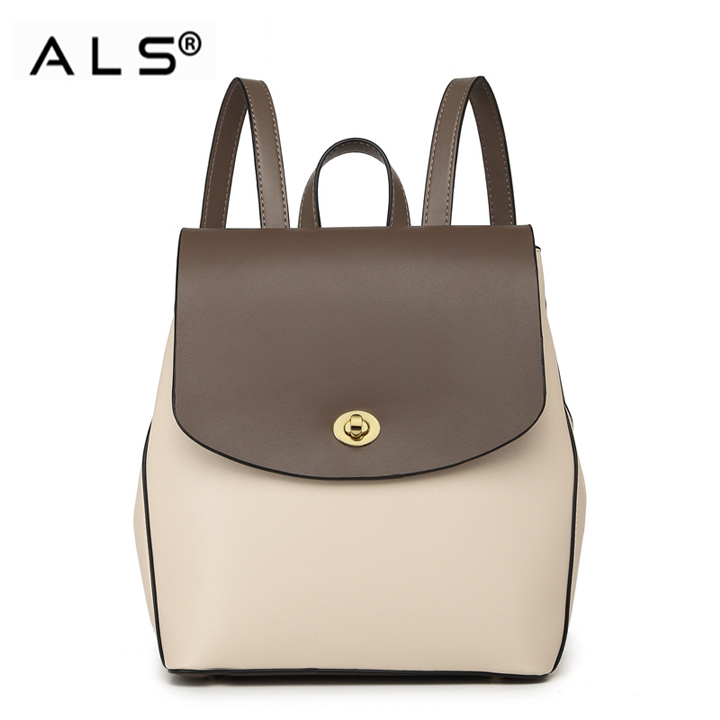
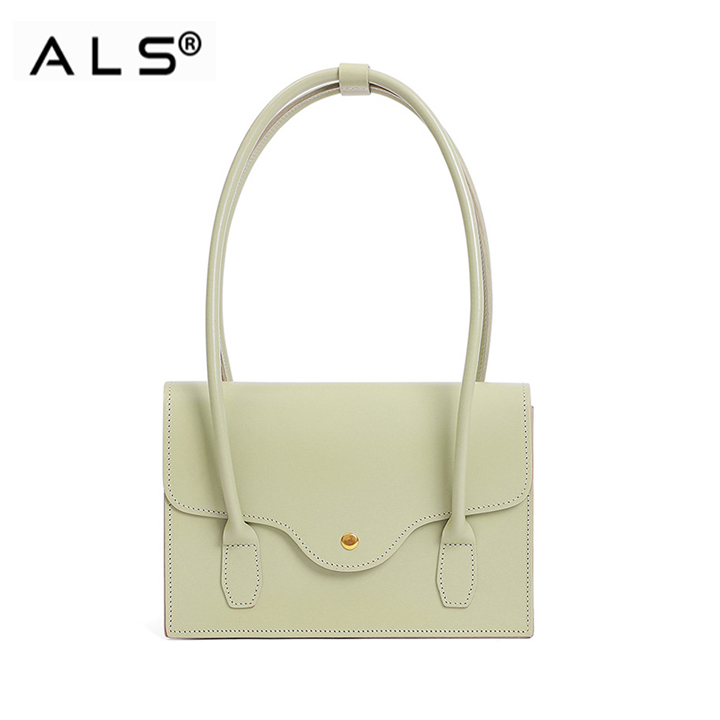
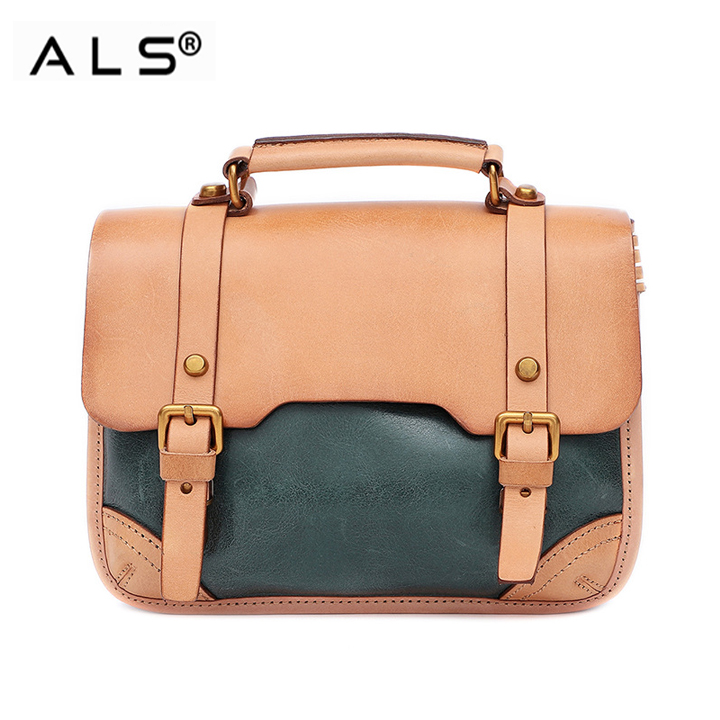
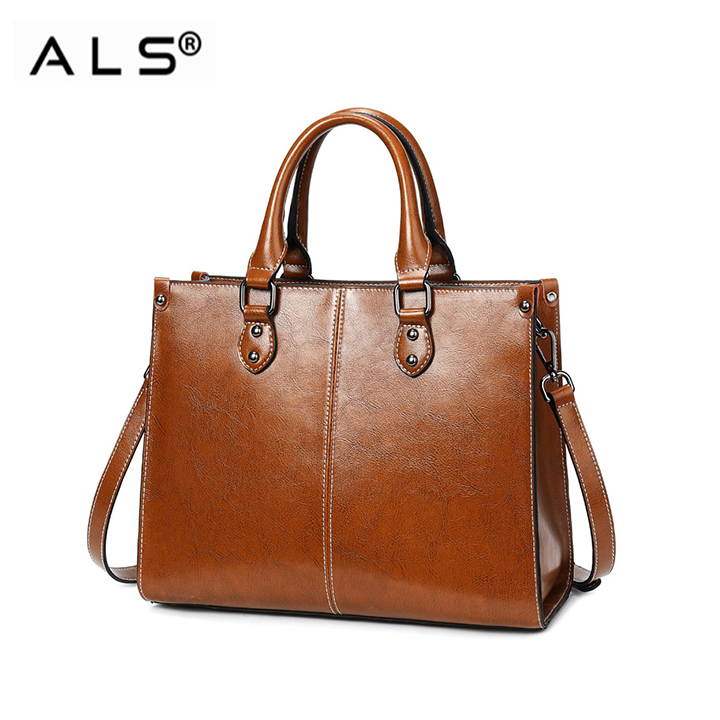
The 2026 pricing landscape for leather bag OEM manufacturing in Vietnam reflects a complex interplay of robust export growth, rising operational costs, and strategic trade advantages. As global brands continue to shift production to Southeast Asia, understanding current factory price structures—and the factors influencing them—is critical for procurement professionals seeking competitive yet reliable supply chains.
Vietnam’s leather and footwear sector demonstrated remarkable resilience in 2025, with exports approaching $29 billion, marking an 8% year-over-year increase for handbags alone . This growth trajectory underscores Vietnam's maturation into a premier production hub, yet it also coincides with significant cost pressures that directly impact ex-factory pricing for the leather bag, leather backpack, leather tote bag, leather crossbody bag, and leather messenger bag.
Factory prices for OEM leather goods in 2026 are shaped by three dominant factors:
Raw Material and Logistics Inflation: The leather industry has experienced substantial input cost increases. According to the Vietnam Leather, Footwear and Handbag Association (Lefaso), logistics costs have risen by approximately 15%, while certain petrochemical-derived raw materials—such as adhesives and finishing chemicals—have surged by up to 30% . This directly affects the production cost of every leather bag, as material inputs typically account for 40-60% of total manufacturing expenses. Additionally, maritime freight costs have increased 10-15%, with extended shipping times of 14-20 days on certain routes further inflating landed costs .
Labor Cost Evolution: While Vietnam retains a cost advantage over China, monthly skilled labor wages in key manufacturing provinces now average $350-400 . This represents a gradual but steady increase from earlier years, narrowing the labor cost gap and prompting manufacturers to enhance automation and efficiency to maintain competitive pricing for high-volume leather backpack and leather tote bag orders.
Tariff and Trade Dynamics: Vietnam's 16 Free Trade Agreements (FTAs), including the EVFTA with the EU and CPTPP, provide preferential market access that offsets some production cost increases. For a leather crossbody bag exported to Europe, duties can be reduced to zero under EVFTA, significantly lowering total landed cost despite higher factory prices . Conversely, US-bound shipments fall under Most Favored Nation (MFN) rates typically ranging from 5-15%, depending on product classification—a tariff landscape that remains favorable compared to competing sourcing origins .
Most Vietnam OEM factories operate on tiered pricing structures that reward larger commitments. For a standard leather tote bag, per-unit costs typically decrease by 8-12% when moving from 500 to 1,000 units, with further reductions at 2,000+ unit thresholds . Vertically integrated manufacturers, such as those controlling raw hide selection through final assembly, can offer more stable pricing and absorb some input cost volatility due to bulk leather purchasing power .
Strategic Sourcing Considerations
Procurement teams evaluating Vietnam leather bag OEM factory prices in 2026 should account for:
Material Choice: Full-grain cowhide commands a 30-50% premium over corrected-grain or split leather, but offers superior durability—critical for a leather backpack intended for daily commuter use .
Certification Requirements: Factories with SMETA 4-Pillar, BSCI, or LWG certification may have slightly higher base prices but reduce compliance risk and ensure smoother customs clearance in EU and US markets .
Currency and Payment Terms: USD-based quoting remains standard, but exchange rate fluctuations between VND and USD can affect final pricing. Buyers typically pay 30% deposit and 70% against shipping documents .
Industry forecasts suggest moderate price increases of 3-5% across most leather goods categories in the latter half of 2026, driven primarily by sustained raw material inflation and energy costs . However, Vietnam's tariff advantages and improving supply chain efficiencies continue to make it a compelling sourcing destination for OEM leather bag, leather backpack, leather tote bag, leather crossbody bag, and leather messenger bag programs. Buyers who commit to longer-term contracts and larger volume tiers can typically secure price stability even in a rising cost environment.
Vietnam's leather bag OEM factory prices in 2026 reflect a market balancing growth with cost pressures. For informed buyers, the country offers transparent, volume-based pricing structures backed by certified manufacturing capabilities, making it a strategic partner for sustainable, quality-driven leather goods sourcing.