

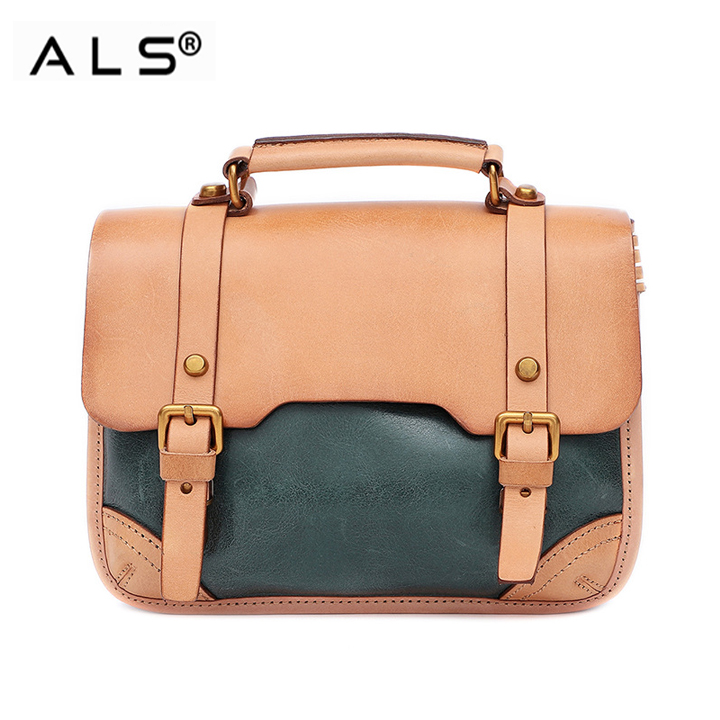
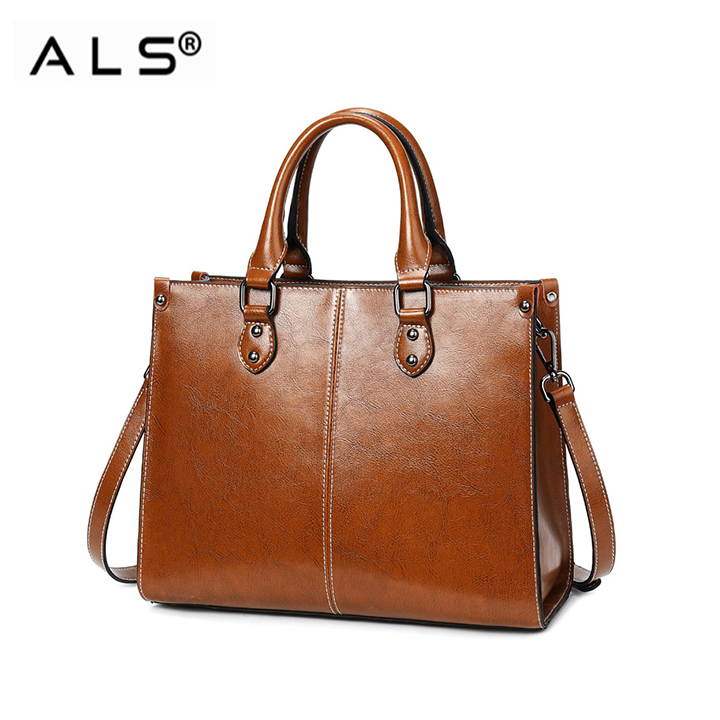
On May 12, the U.S.-China tariff agreement formalized a 30% average tariff on Chinese exports, combining existing 301 tariffs (20% baseline) with newly retained 10% duties. For polyester bags and leather bags industries, supply chain optimization and China-Vietnam dual-location production are now critical to bypass 30% average tariffs while maintaining U.S. market access.

Post-Tariff Outlook: Balancing Near-Term Gains and Long-Term Shifts
The 30% average tariff replaces former 145% rates, providing immediate relief to polyester bags and leather bags manufacturers. However, supply chain optimization remains urgent due to two key factors:
1
China's Irreplaceable Ecosystem
U.S. brands still rely on China for polyester bag fabric dyeing and leather bag hardware assembly. Vietnam and India cannot replicate these processes until 2028.
2
Mandatory Diversification
Over 63% of U.S./EU companies now mandate phased supply chain optimization toward ASEAN and Indian hubs by 2030, driven by de-risking strategies and labor cost disparities.
3
China-Vietnam dual-location production offers a solution
factorys like Hecheng Bags combine CPTPP advantages with supply chain optimization to neutralize 30% average tariffs through material reclassification and assembly shifts.
Key Impacts of the U.S.-China Tariff Agreement on Polyester Bags and Leather Bags
Supply Chain Optimization Tactics for China-Vietnam Dual-Location Production.
The 30% average tariff applies if >60% of raw materials (e.g., fabrics, zippers) are China-sourced.
Exclusion opportunities via Vietnam CPTPP compliance: Use ≥40% Vietnam-made polyester bag fabrics or leather bag components to qualify for duty reductions.
Relocate final polyester bag and leather bag assembly to Vietnam for 18–22% tariff reductions.
Execute ≥3 production stages (e.g., fabric dyeing, cutting, QC) in Vietnam to meet CPTPP requirements.
Maintain auditable records (e.g., Vietnamese polyester invoices) to avoid 30% average tariffs.
Retain China Operations for Non-U.S. Markets
Reserve Chinese factories for EU/domestic orders unaffected by the U.S.-China Tariff Agreement.
Conclusion