How a Vietnam Leather Bag Factory Delivered 50,000 Units to a German Brand
When a German fair-trade accessories brand needed a reliable supplier for their new eco-collection, they audited seven Asian factories before selecting Hecheng Vietnam Luggage Co., Ltd. This Vietnam leather bag factory won the contract through three differentiators: material transparency, service flexibility, and rigorous quality control. The result? 50,000 units of mixed leather bag styles shipped within 14 weeks, with a defect rate below 0.7%.
Materials: Traceable Leathers That Meet EU Standards
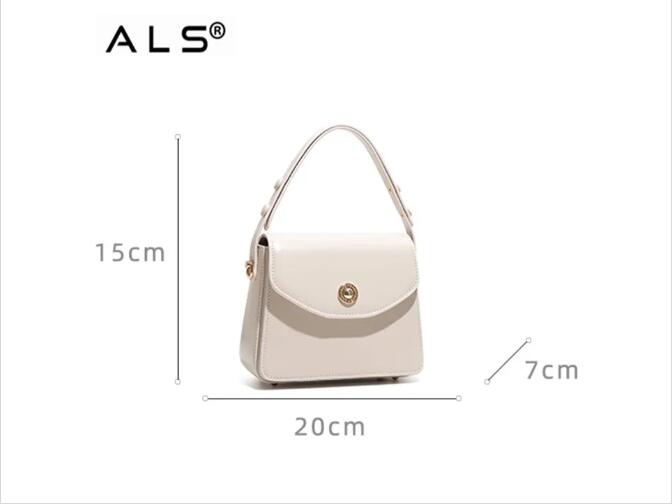
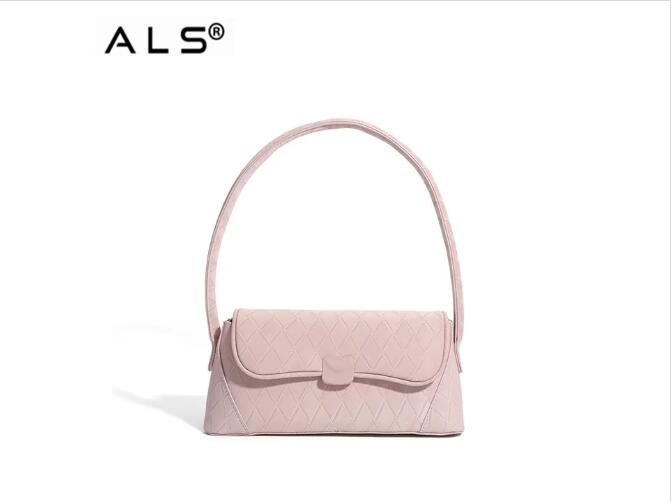
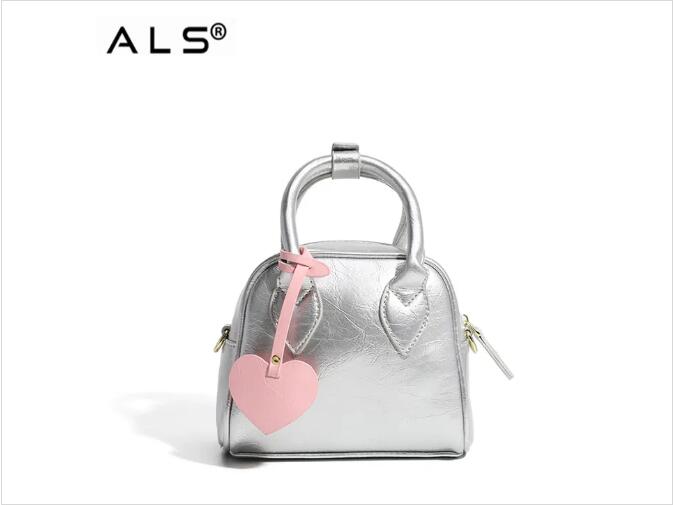
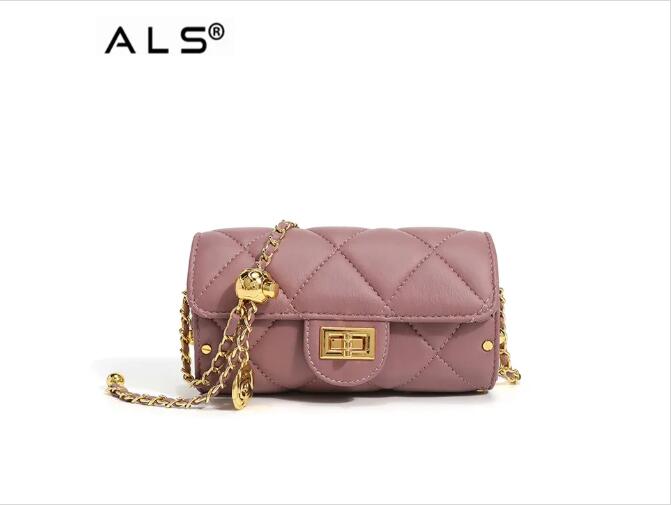
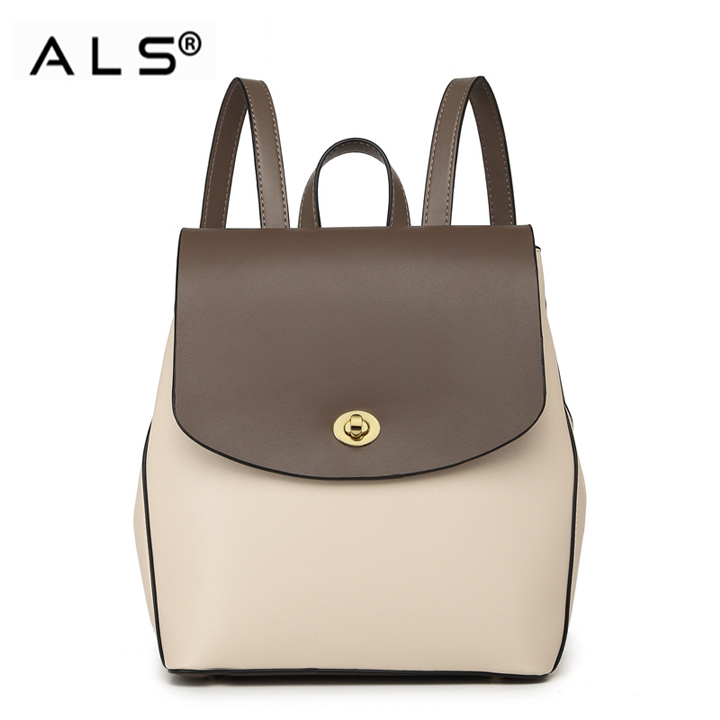
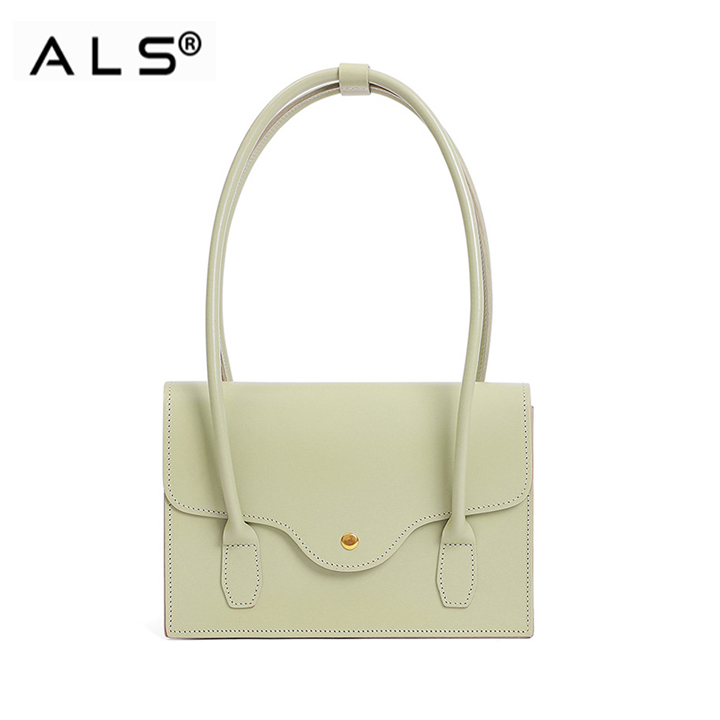
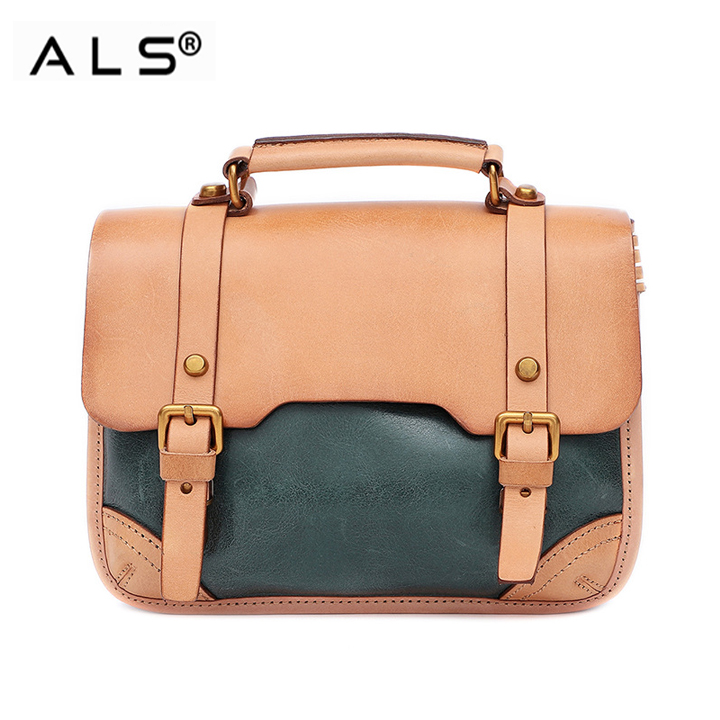
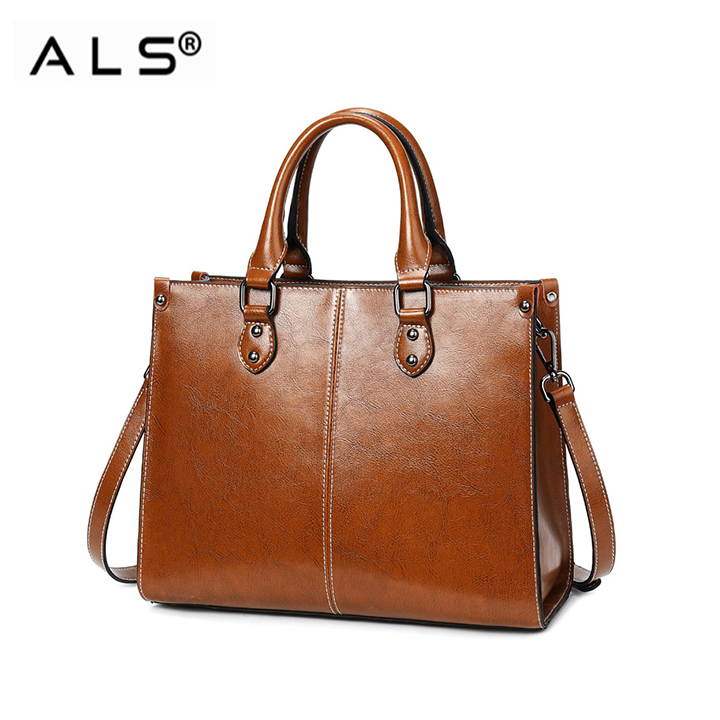
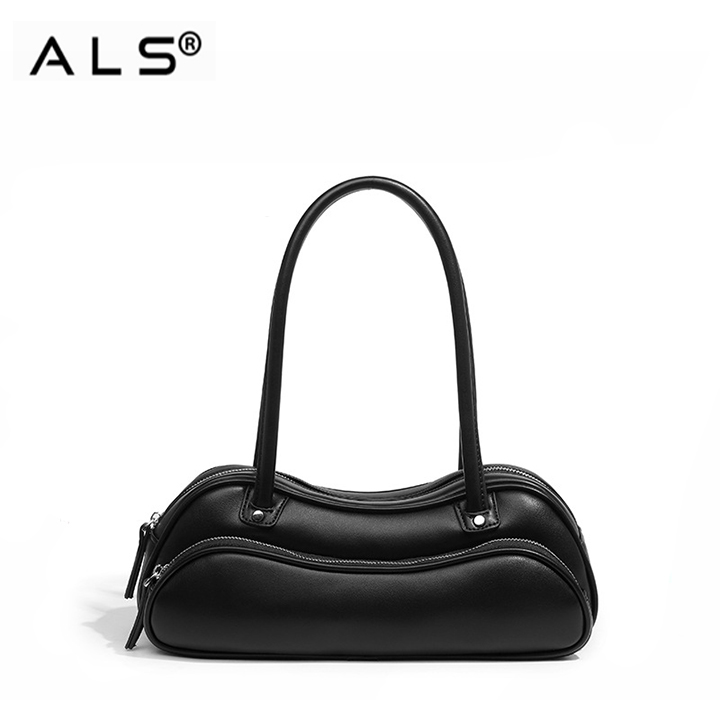
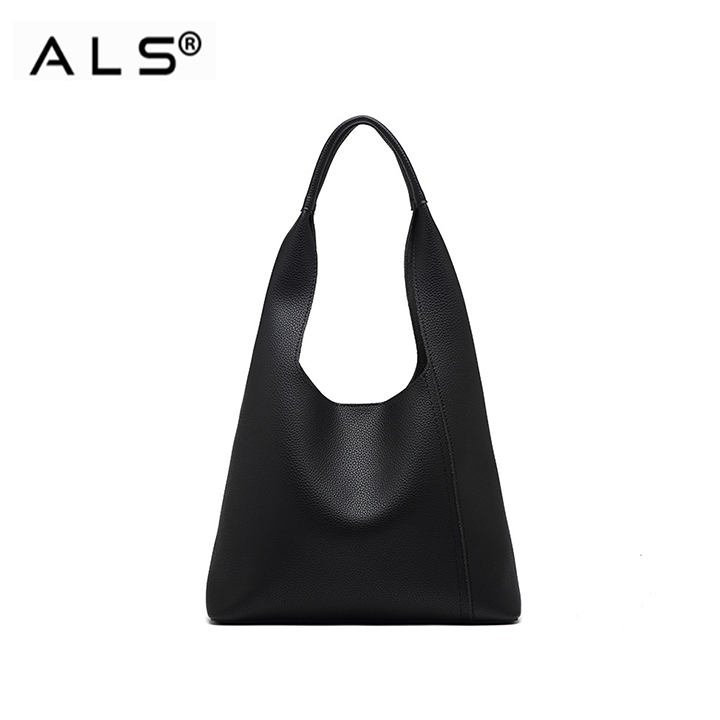
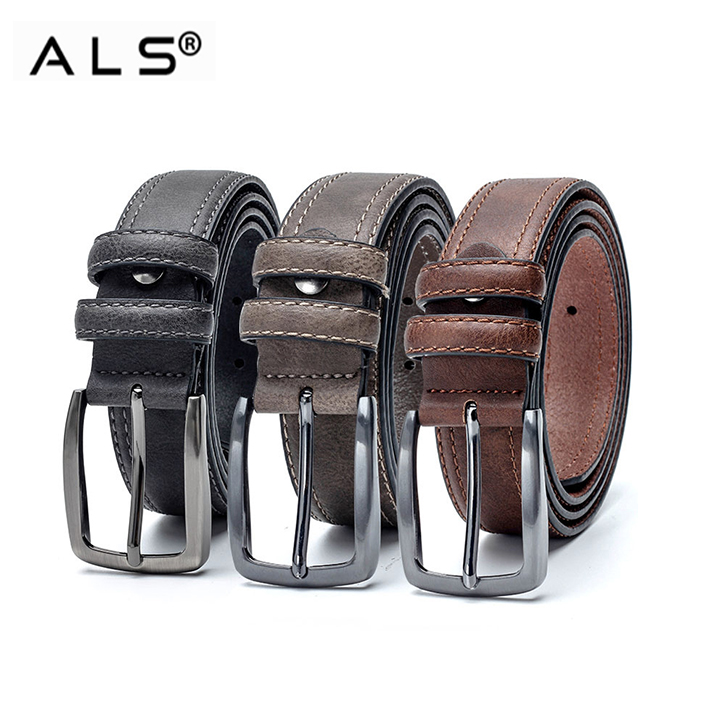
Every leather bag in this project required full traceability from farm to finished product. For the leather backpack (12,000 units), the factory used vegetable-tanned cowhide from an LWG-certified tannery in Thailand, with chrome-free finishing. The leather tote bag (18,000 units) featured top-grain buffalo leather with a waxed pull-up effect, sourced from a Vietnamese supplier with REACH compliance documentation. The leather crossbody bag (10,000 units) was produced in soft nappa lamb leather, requiring careful edge painting and scratch resistance. The remaining 10,000 units were leather belt bags made from split leather with a polyurethane coating for water resistance. All linings used recycled PET certified by GRS. The Vietnam leather bag factory provided material test reports for each component — leather thickness, color fastness, tear strength, and hardware salt-spray resistance.
Services: OEM with Custom Logo and Low MOQ Flexibility
The German brand required custom logo placement across all five styles. For the leather backpack, logos were foil-stamped in matte silver on the front panel. The leather tote bag received debossed logos near the top edge with gold paint fill. The leather crossbody bag featured embossed logos on the flap center. Leather belt bags had small woven labels sewn into the rear seam. The Vietnam leather bag factory also provided custom dust bags, poly bags, and hangtags with the brand's barcodes. Minimum order quantities were structured to help the brand launch: 300 units per leather bag design for the first order, with the leather backpack and leather tote bag sharing a production run to reduce costs. The factory offered free logo digitization and die setup for the initial sampling phase.
Quality Control: 20-Point Inspection with Documentation
Quality was the decisive factor. This Vietnam leather bag factory implemented a 20-point inspection for each leather bag style. For the leather backpack, checks included strap load testing (20 kg for 60 seconds), zipper cycle testing (500 cycles), and edge paint adhesion (tape pull test). The leather tote bag underwent handle pull testing (15 kg), base board flex testing, and lining seam strength verification. The leather crossbody bag received strap anchorage testing (3x expected load), magnetic snap cycle testing, and RFID pocket functionality checks. Leather belt bags were tested for buckle release strength, rear card slot stitching, and zipper slide smoothness. The factory provided digital quality reports with photos at cutting, stitching, assembly, and packing stages. A third-party inspection (SGS) was conducted before shipment.
The German brand received all 50,000 units on time. Post-launch customer returns related to manufacturing defects were below 0.7%. The Vietnam leather bag factory has since received three repeat orders, increasing volumes to 75,000 units annually. The leather backpack and leather tote bag remain bestsellers, while leather crossbody bag and leather belt bags have grown 30% year-over-year.
Partner with This Vietnam Leather Bag Factory
Hecheng Vietnam Luggage Co., Ltd. holds BSCI, LWG, and ISO 9001 certifications. Request a case study PDF or a sample quote for your next leather bag, leather backpack, leather tote bag, leather crossbody bag, or leather belt bags collection. Let material transparency, service flexibility, and quality control work for your brand.