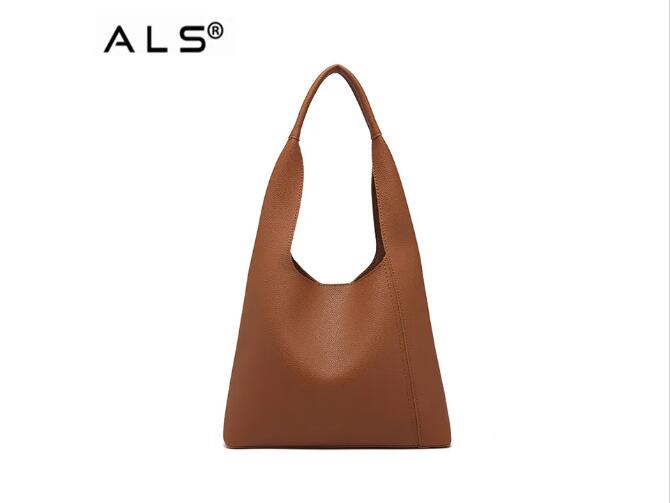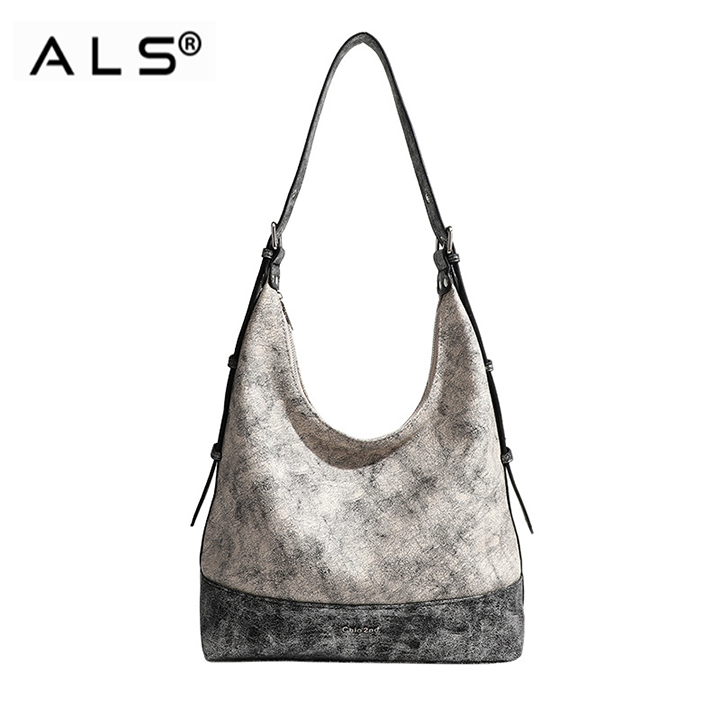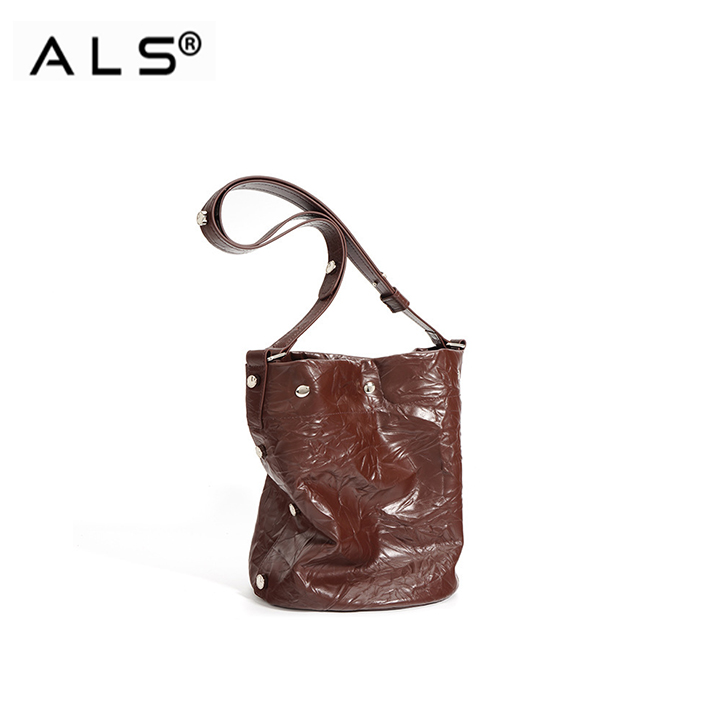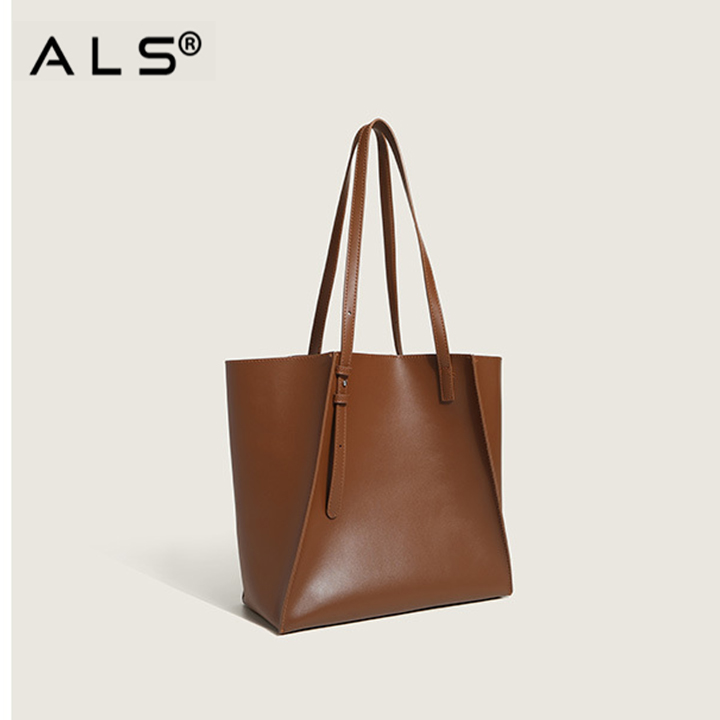
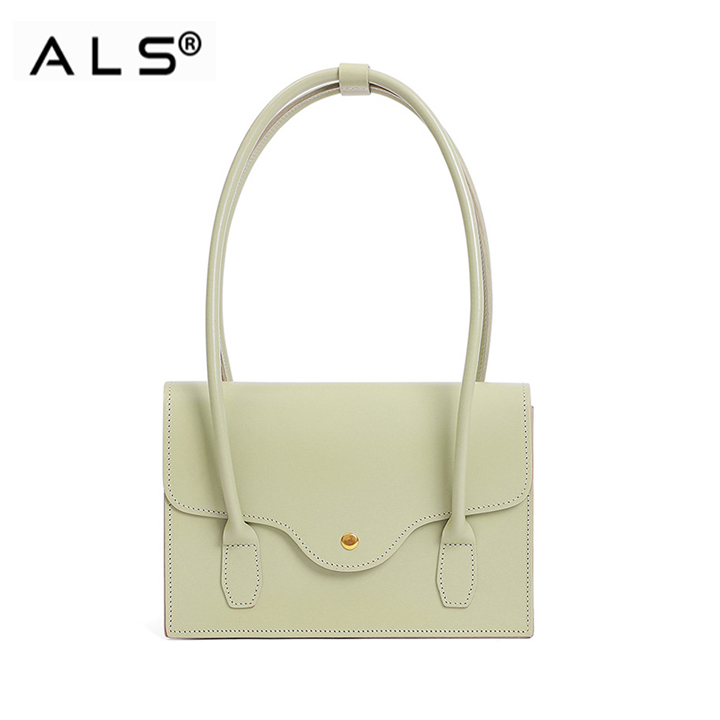
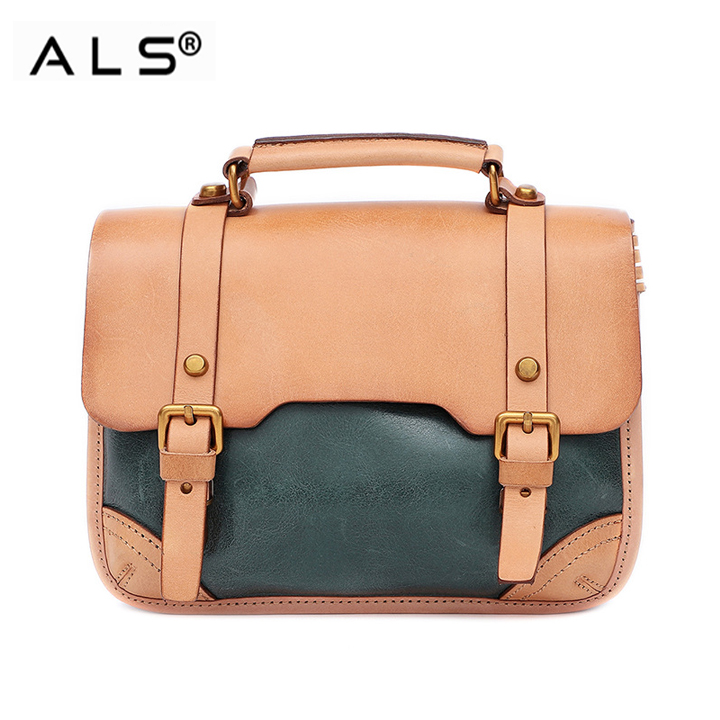
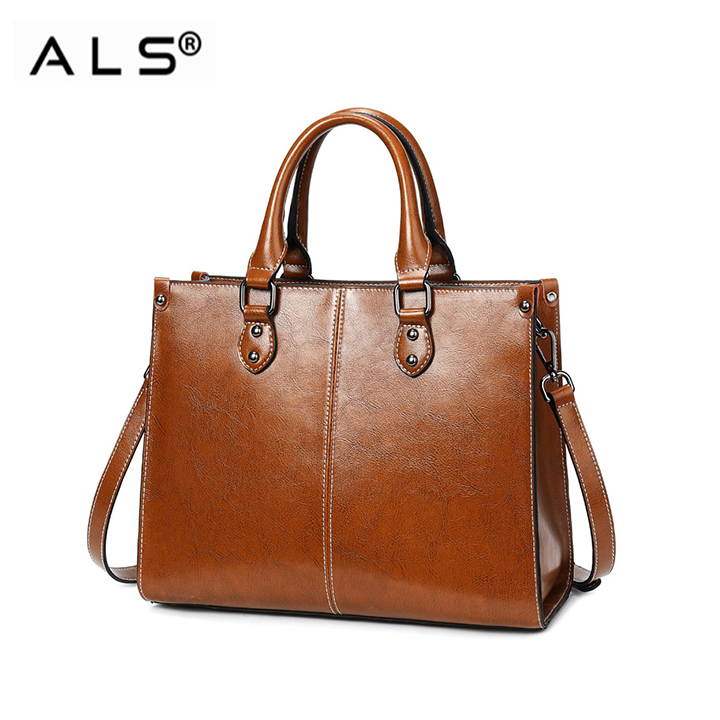
For global buyers, tariff costs directly impact landed prices and profit margins. Vietnam has emerged as a strategic sourcing destination offering Vietnam leather handbags supplier tariff advantage through its extensive Free Trade Agreement (FTA) network. HECHENG Bags Co., Ltd leverages these benefits to deliver leather bag collections with preferential duty rates to the US, EU, and other major markets.
Vietnam’s Tariff Advantage: The Numbers That Matter
Vietnam currently ranks third globally in footwear and leather goods production, manufacturing approximately 1.4 billion units annually, and second in exports with roughly 1.3 billion units per year . The country has signed and implemented 17 Free Trade Agreements (FTAs), making effective use of these deals a top priority for the industry .
For buyers sourcing leather handbags from Vietnam, the tariff savings are substantial:
US Market — Vietnamese leather handbags enter the US at a 10% duty rate, compared to China’s 125% tariff on leather goods (as of April 2025) . This represents a massive cost advantage for American importers shifting supply chains to Vietnam.
EU Market — Under the EU-Vietnam Free Trade Agreement (EVFTA), tariffs on Vietnamese leather goods are eliminated or significantly reduced. Preferential duty rates make Vietnam highly competitive against non-FTA countries .
CPTPP Markets — The Comprehensive and Progressive Agreement for Trans-Pacific Partnership provides tariff-free access to Canada, Mexico, Japan, Australia, and other member nations .
How Tariff Advantages Work for Your Leather Bag Orders
Vietnam’s leather and footwear industry recorded export earnings of $26 billion in 2024, up 10% year-on-year, with handbags and suitcases contributing nearly $2.2 billion—an 11.6% increase . This growth is driven by effective utilization of FTA preferences.
EVFTA Benefits for EU Buyers — Under the EVFTA, Vietnamese leather bag exports to EU member states qualify for preferential duty rates, with 71% of tariffs eliminated immediately upon implementation and the remainder phasing to zero over seven years. This translates directly to lower landed costs for your leather backpack, leather tote bag, leather crossbody bag, or leather messenger bag orders .
CPTPP Advantages — Vietnam’s participation in CPTPP provides tariff-free access to key markets including Canada, Mexico, Japan, Australia, and New Zealand. For North American buyers outside the US, this represents significant savings .
UK Market — The UK-Vietnam FTA (UKVFTA) mirrors EVFTA benefits, eliminating tariffs on Vietnamese leather goods entering the United Kingdom .
Product Categories Benefiting from Tariff Preferences
Leather Bag
Every leather bag imported from Vietnam to FTA partner countries enjoys preferential duty rates. The classification under HS code 4202 covers handbags, travel goods, and similar containers .
Leather Backpack
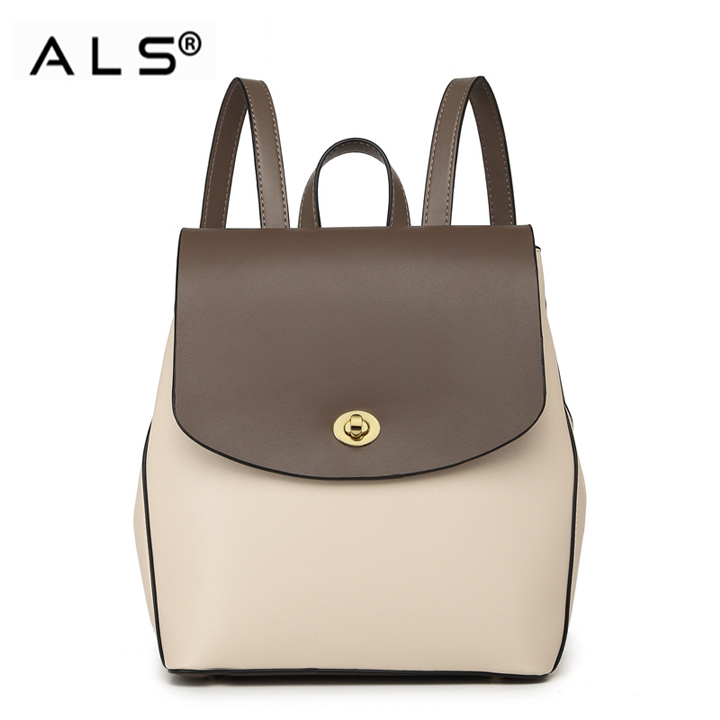
Your leather backpack orders benefit from the same tariff preferences. Vietnam’s competitive labor costs ($181–200 per month) combine with FTA savings to maximize your margins .
Leather Tote Bag
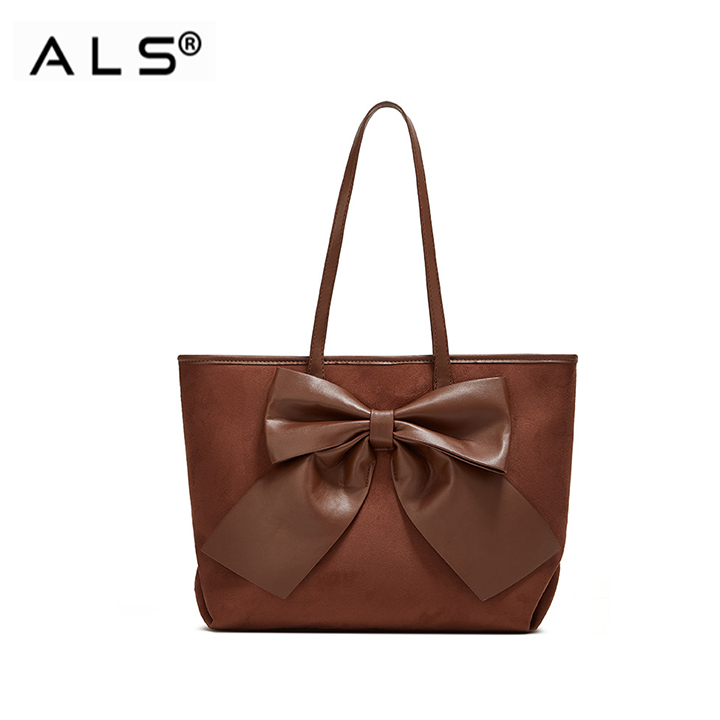
A leather tote bag sourced from Vietnam enters EU markets at reduced or zero duty under EVFTA. The same applies to CPTPP member countries.
Leather Crossbody Bag
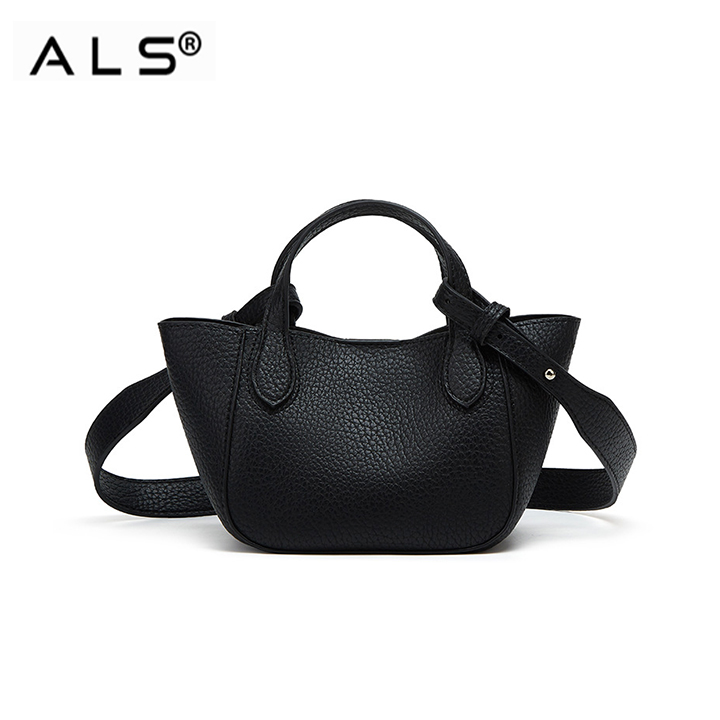
Leather crossbody bag collections from Vietnam qualify for preferential access across 17 FTA markets, making Vietnam an ideal sourcing base for global brands.
Leather Messenger Bag
Your leather messenger bag orders receive the same tariff treatment, with documentation support for rules of origin compliance.
Rules of Origin: What You Need to Know
To claim tariff preferences, your leather bag must meet each FTA’s rules of origin requirements. Industry assessments show that about 95% of exporting leather and footwear companies are making effective use of FTAs .
Key requirements include:
Local Content Threshold — A minimum percentage of value must originate in Vietnam or other FTA member countries.
Tariff Shift Rules — Materials must undergo substantial transformation in Vietnam.
Direct Shipment — Goods must ship directly from Vietnam to the destination country.
Vietnam’s leather and footwear enterprises are accelerating the shift towards green, circular production models and increasing the localization rate of raw and auxiliary materials to meet origin requirements .
Vietnam’s Labor Cost Advantage
Beyond tariff savings, Vietnam offers competitive manufacturing costs. Monthly wages average $181–200, significantly lower than China’s $600–800 range . This labor cost advantage compounds with tariff preferences to deliver exceptional value.
Quality Infrastructure Supporting Compliance
Vietnam now hosts nearly 60 internationally accredited testing laboratories capable of verifying leather thickness, chemical safety, and durability . This infrastructure supports compliance with REACH (EU), Proposition 65 (California), and other market-specific requirements.
US Market Outlook
Vietnamese footwear and handbag exports to the US reached nearly $8.3 billion in 2024, a remarkable 15.6% increase . The current 10% tariff rate for Vietnamese goods provides a significant edge over Chinese competitors facing 125% duties . Even if US tariffs reset, potential US-Vietnam bilateral FTA negotiations aim to cap leather tariffs at 5–7% .
Partner with HECHENG for Tariff-Advantaged Sourcing
HECHENG Bags Co., Ltd offers Vietnam-based production with full documentation support for FTA preference claims. Whether you need leather bag, leather backpack, leather tote bag, leather crossbody bag, or leather messenger bag collections, our Vietnam factory delivers quality with tariff advantages.