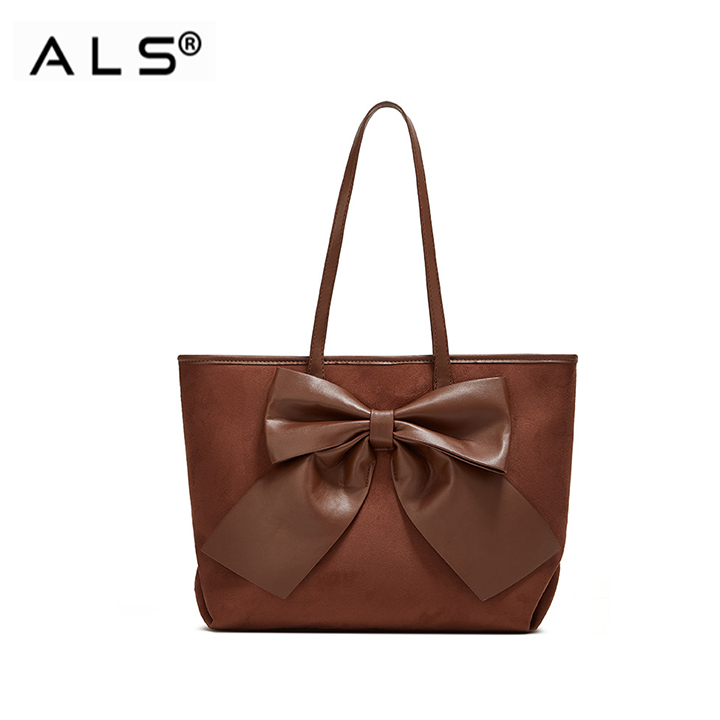
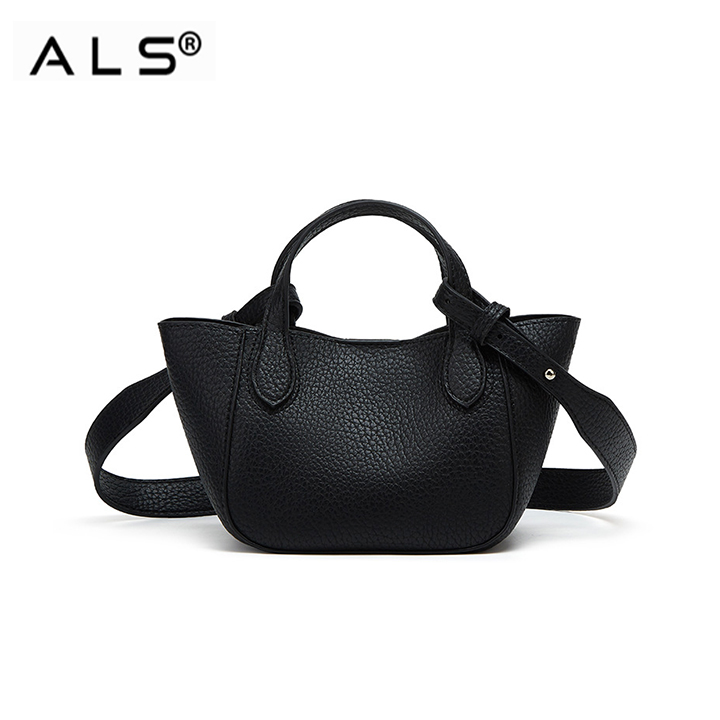
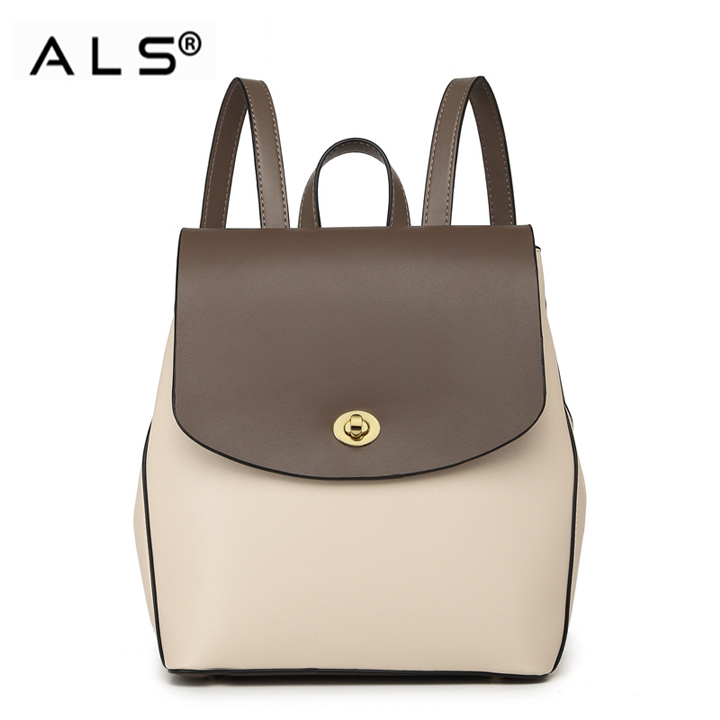
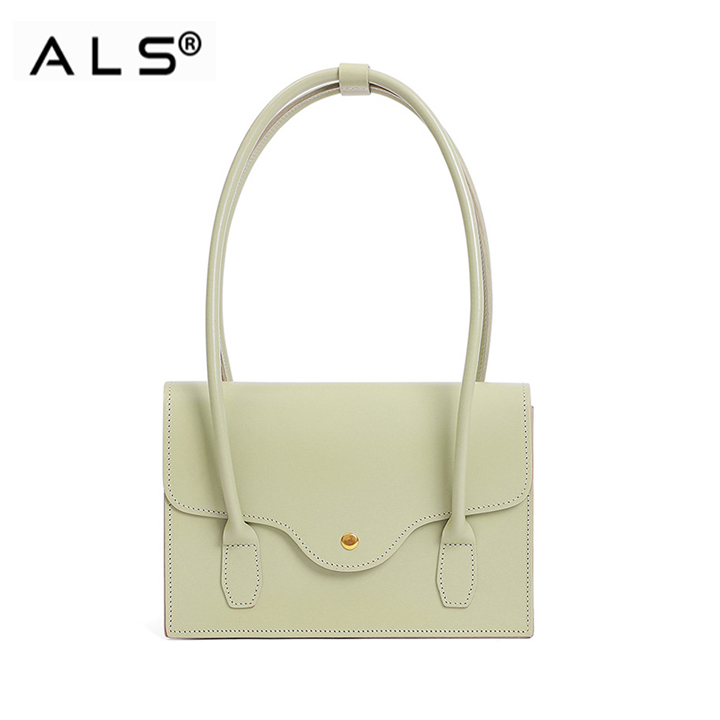
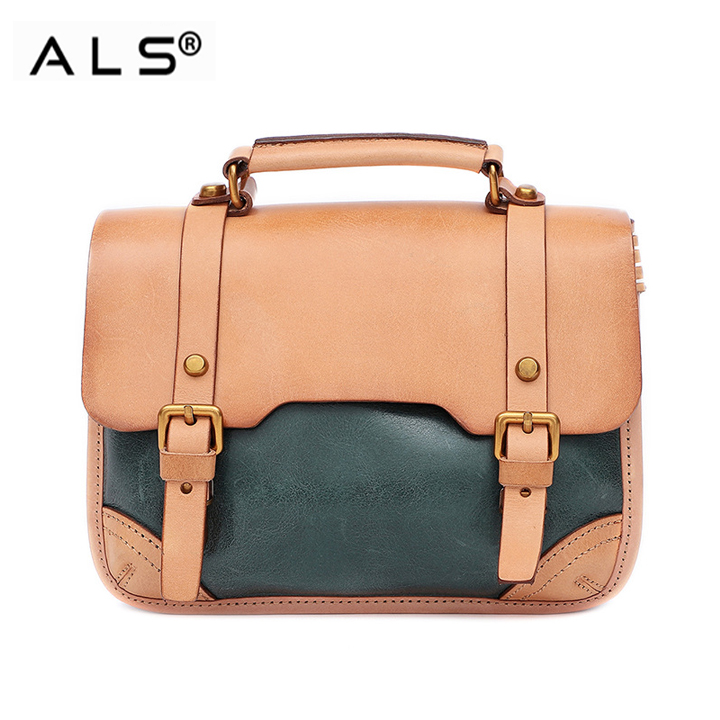
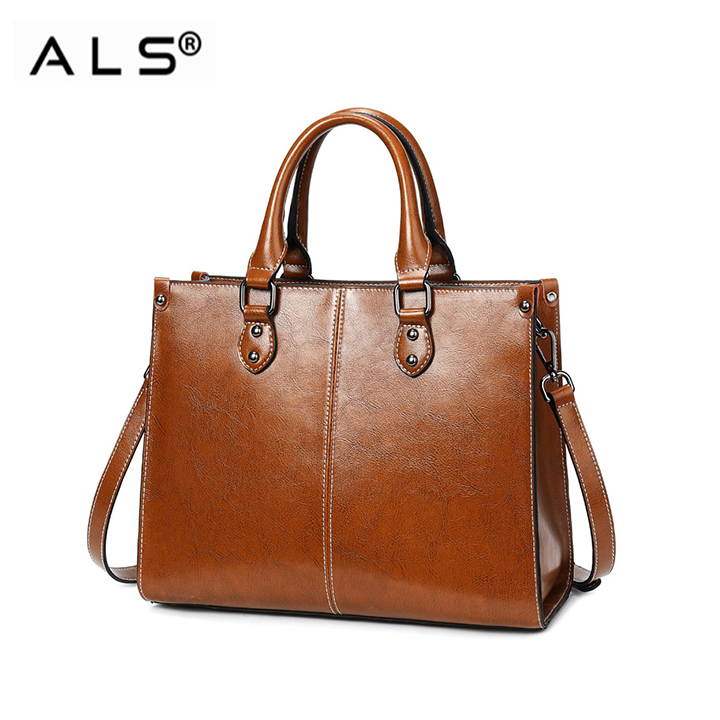
The global leather goods market continues evolving, with 2026 bringing stricter compliance requirements and greater demand for supply chain transparency . For buyers seeking how to source high quality leather bags directly from the factory in 2026, the process requires more than browsing online catalogs—it demands structured evaluation, verification protocols, and understanding of emerging industry standards. HECHENG Bags Co., Ltd offers this guide to navigating factory sourcing successfully.
Step 1: Verify Factory Credentials Before Engagement
The foundation of successful sourcing begins with legal and operational verification. Request business licenses and cross-check registration numbers with national databases—China's National Enterprise Credit Information Publicity System or Vietnam's Ministry of Planning and Investment portals . Credible suppliers in 2026 proactively publish third-party audit reports including BSCI, SEDEX, or ISO 9001 certifications .
Schedule a live video walkthrough of the production floor—not a pre-recorded tour. Ask to see raw material storage, stitching stations, hardware assembly areas, and quality control inspection points in real time . Factories refusing transparent access present unacceptable risk for your leather bag investment.
Step 2: Evaluate Production Capabilities Against Your Requirements
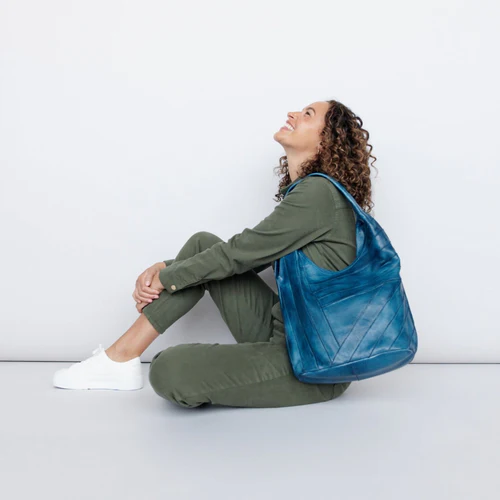
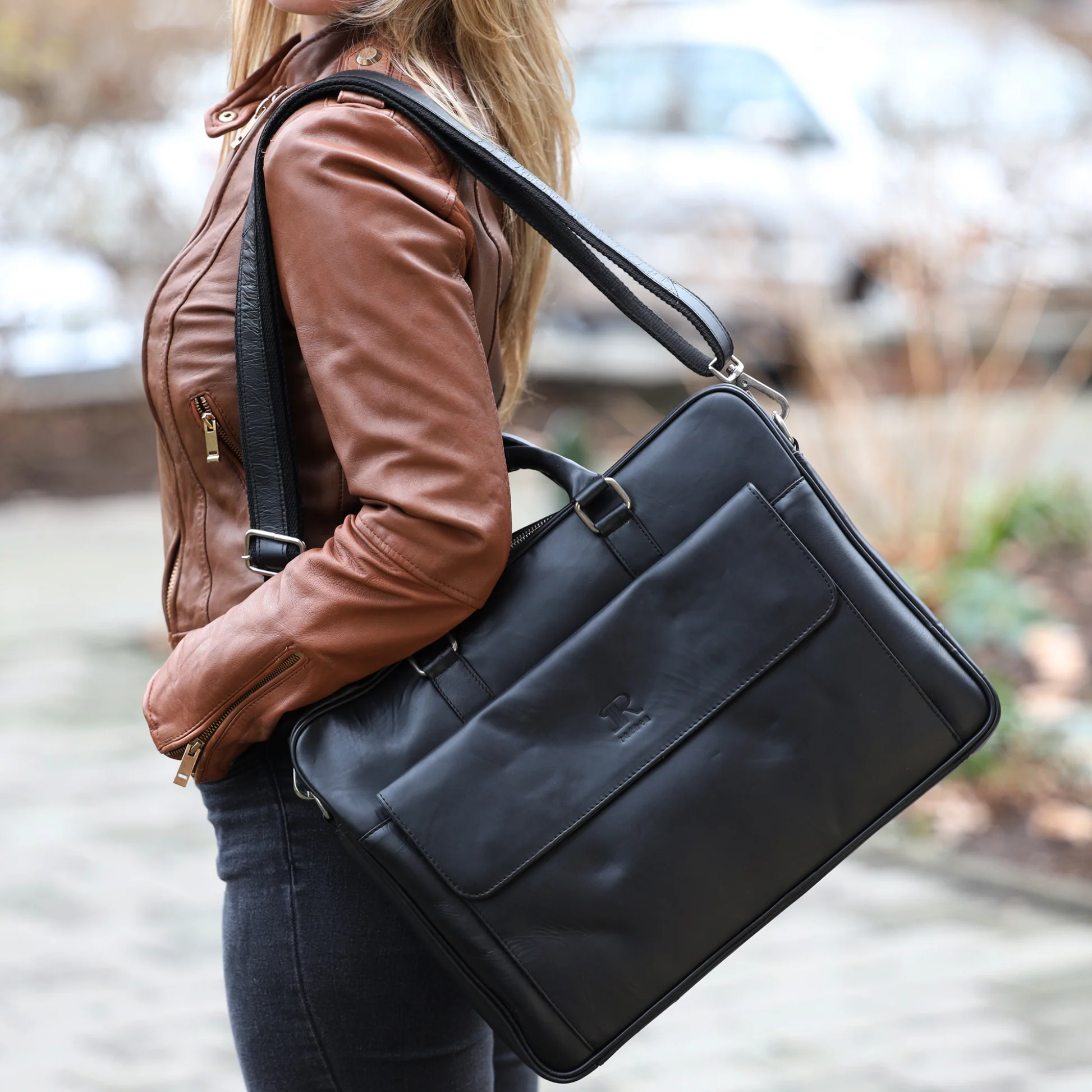
Capacity mismatches cause most sourcing failures . Match factory capabilities to your specific product needs. Does the manufacturer produce your target leather bag styles? Can they handle leather backpack construction with padded laptop compartments? Do they offer structured leather tote bag silhouettes with reinforced handles?

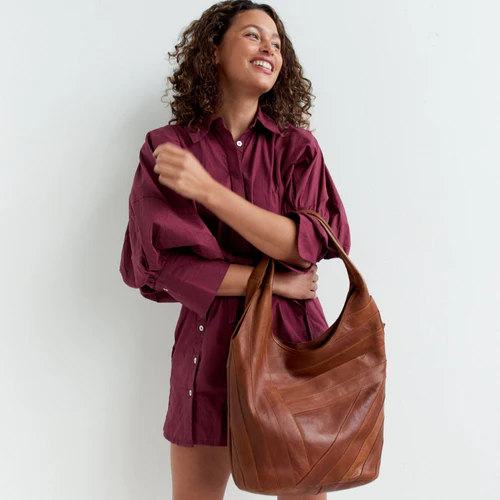
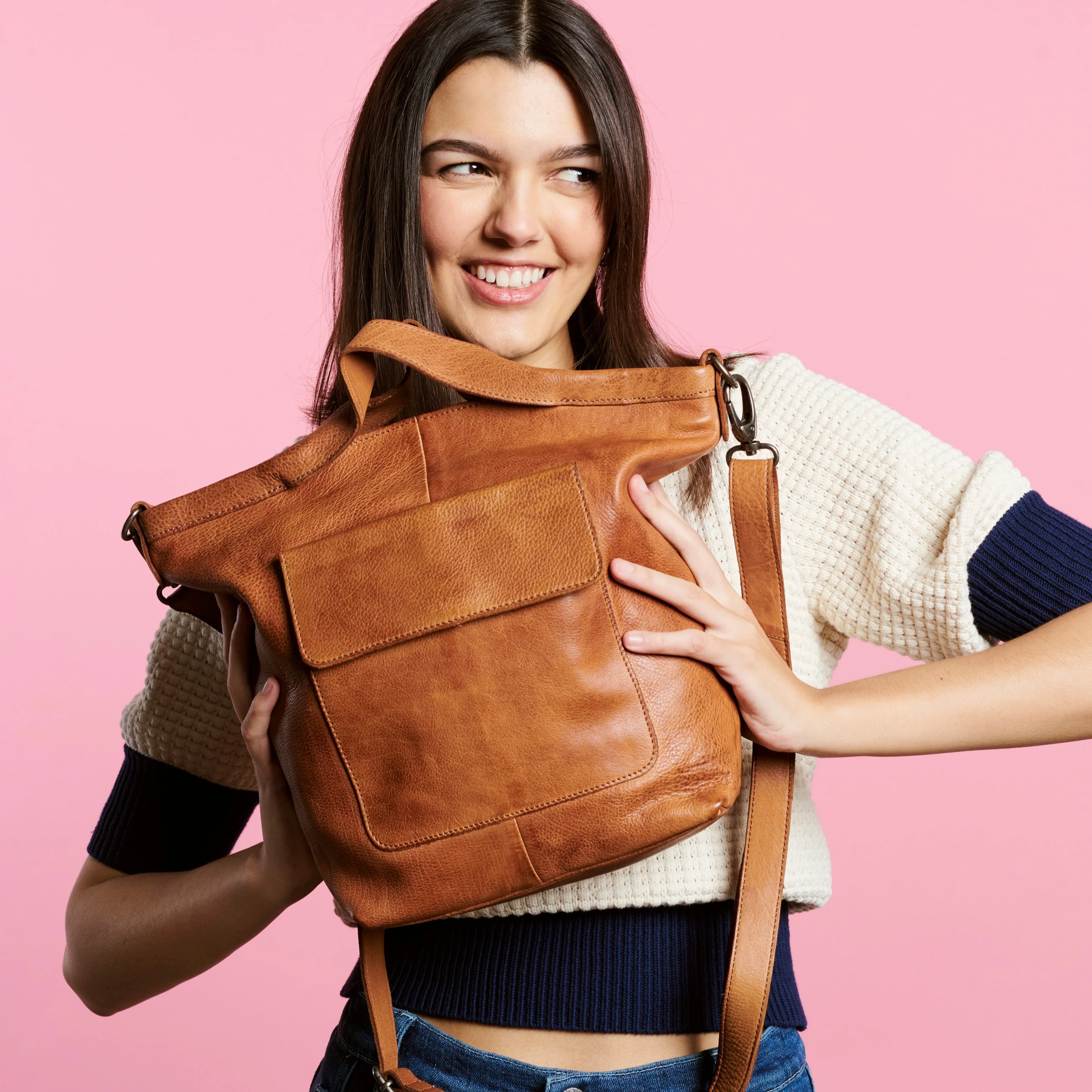
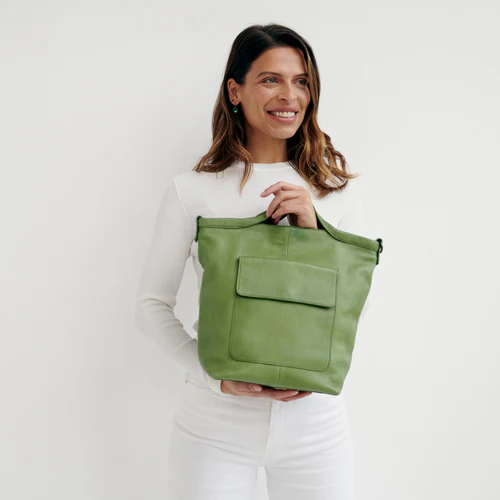
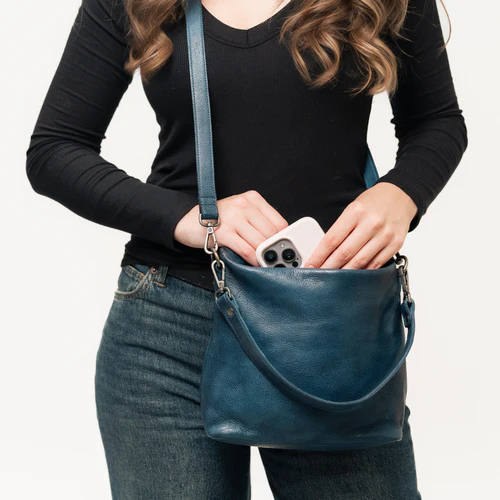
For versatile accessories, assess whether they produce leather crossbody bag styles with adjustable straps and secure closures. The resurgence of leather belt bags requires specialized pattern engineering—confirm experience with this category if relevant to your collection.
Request production timelines per order tier. Reputable factories provide transparent lead times: samples typically 12–18 days, first bulk orders 35–45 days, repeat orders accelerating to 22–28 days when standardized patterns and dedicated tooling exist .
Step 3: Audit Quality Control Processes Thoroughly
"We have strict QC" means nothing without evidence. Demand specifics about inspection points throughout production flow . Reputable manufacturers use AQL 2.5 standards for major defects—broken zippers, misaligned straps, color inconsistencies—and provide dated, signed inspection reports with photo evidence .
For leather bag sourcing, verify whether QC staff are full-time employees or temporary contractors. Factories relying on outsourced inspectors rarely enforce consistent accountability . Request AQL reports from their last three shipped orders, including defect photos and resolution documentation.
Step 4: Verify Material Traceability and Compliance
Transparency of origin has become mandatory for market access in 2026 . Importing countries now require detailed disclosure of production processes and material sources . Ask suppliers for bills of lading showing origin of leather hides—EU-sourced versus untraceable tannery batches makes significant difference in quality and compliance .
Major global brands including Samsonite, Tumi, and Osprey manufacture in Vietnam, reflecting the country's maturity as a production hub . Vietnam's leather sector now features nearly 60 internationally accredited testing laboratories, ensuring technical indicators—thickness, pH, water absorption—meet demanding market standards .
For leather backpack and leather tote bag collections bound for Europe or North America, confirm REACH compliance for chemical safety and appropriate documentation for customs clearance .
Step 5: Optimize Communication and Sample Validation
Effective collaboration begins with comprehensive technical packets. Provide detailed specifications: dimensions, material grade (e.g., 1.2–1.4mm top-grain cowhide), lining type, closure mechanisms, strap drop length, and hardware finishes . Include visual aids—sketches, mood boards, reference photos—to prevent misunderstandings .
Always request physical samples before bulk orders. Standard sample development takes 7–14 days, with complex designs requiring up to 21 days . Evaluate stitch density (minimum 8–10 stitches per inch), hardware weight and feel, leather grain consistency, and overall construction integrity .
Step 6: Structure Contracts Protecting Your Interests
For larger transactions, use secure payment terms—typically 30% deposit with balance against shipping documents . Avoid full upfront payments unless the supplier has verifiable long-term track record . Clarify tooling fees, packaging costs, and penalty clauses for late delivery exceeding 5% of order value per week .
Specify third-party inspection rights. Mandate pre-shipment inspections conducted by SGS, TÜV, or similar accredited bodies, with costs stipulated in contracts . This ensures your leather bag collection meets specifications before leaving the factory.
2026 Factory Selection Checklist
✓ Business license verified via official national registry
✓ Live video walkthrough completed with production floor views
✓ Minimum three verifiable client references contacted
✓ AQL 2.5 reports provided for recent shipments
✓ Material traceability documentation reviewed
✓ Sample order approved against detailed spec sheet
✓ Payment terms structured with inspection milestones
✓ Compliance certifications aligned with target markets
Partner with HECHENG for Direct Factory Sourcing
HECHENG Bags Co., Ltd exemplifies the manufacturer profile described above—vertically integrated facilities, transparent quality systems, and comprehensive compliance documentation. Whether you need custom leather backpack collections, elegant leather tote bag designs, versatile leather crossbody bag styles, or trending leather belt bags, our Vietnam factory delivers consistent quality meeting 2026 standards.