Concept to Container HECHENG ODM Service for Leather Goods
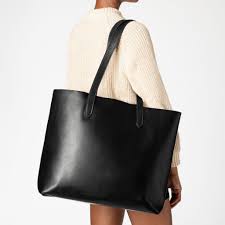
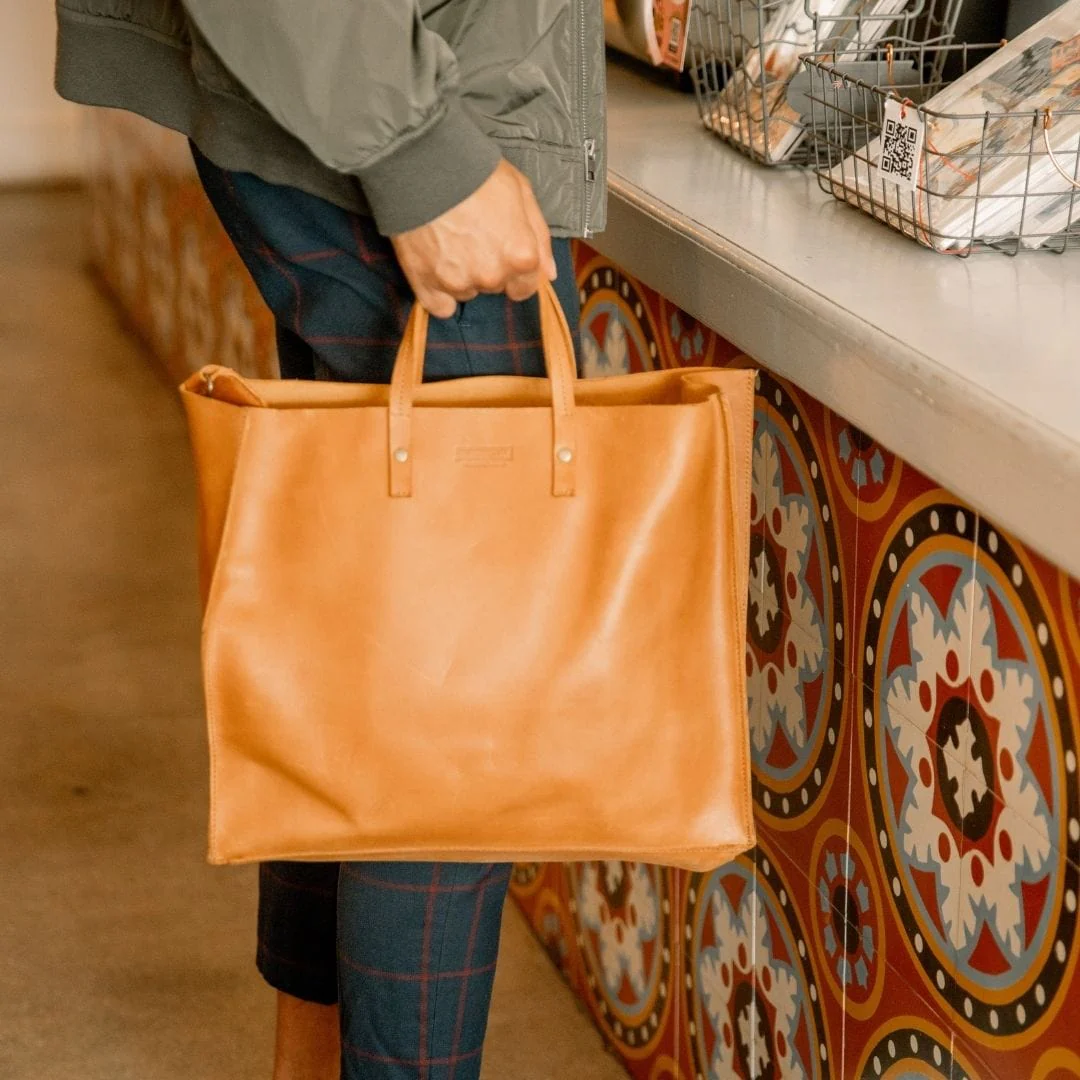
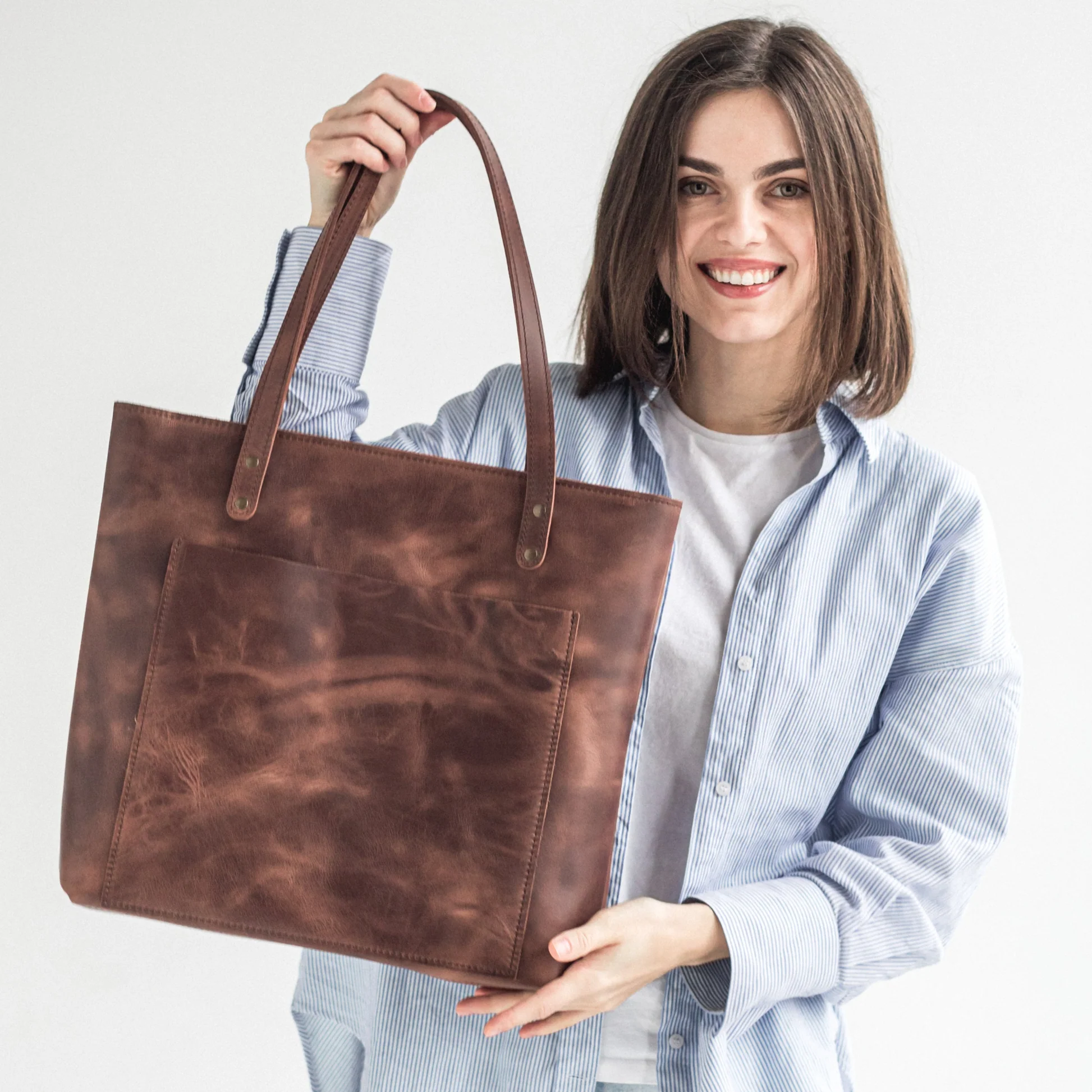
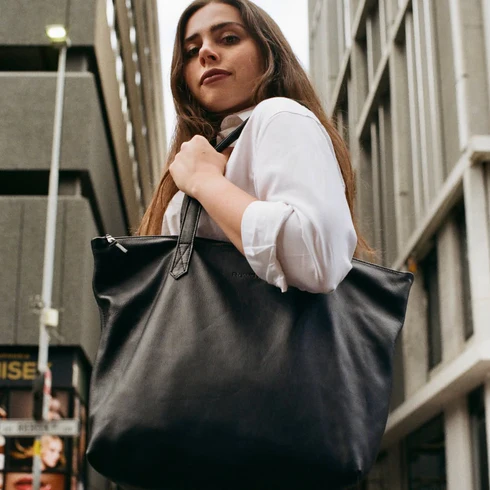
2026-05-14 20:00Bringing a new product to market involves many steps between the initial idea and the sealed shipping container. HECHENG offers a complete ODM service that manages every stage, so you receive finished goods ready for retail or e-commerce fulfillment. Starting with nothing more than a concept—a sketch, a photo, or even a verbal description—we develop, sample, produce, and pack each leather bag to your specifications. Whether the final product is a leather backpack for school suppliers, a leather tote bag for department stores, a leather crossbody bag for travel catalogs, or a set of leather belt bags for promotional campaigns, our process ensures nothing falls through the cracks.
The journey begins with concept intake. You share your vision for a leather bag, and our design team translates it into technical drawings and pattern pieces. For a leather backpack, we discuss compartment layout, strap attachment methods, and back panel materials. A leather tote bag concept might include requests for internal dividers, key clips, or reinforced corners. A leather crossbody bag idea often involves strap drop length, closure type (zipper, flap, or drawstring), and pocket placement. Leather belt bags starting as a sketch require decisions on belt loop width, buckle style, and zipper orientation. We document every detail in a development brief that guides all subsequent stages.
Material selection follows. Based on your target price point and durability needs, we recommend specific leather grades. A premium leather bag destined for luxury shelves gets full-grain hides with minimal surface correction. A budget-conscious leather backpack for promotional distribution might use split leather with a uniform finish. A leather tote bag requiring lightweight construction could be cut from chrome-tanned hides under 1.2mm thickness. A leather crossbody bag demanding soft drape receives pliable top-grain leather. Leather belt bags needing structure are made from firmer hides with additional backing. We also source lining fabrics, threads, edge paints, and hardware—zippers, buckles, clasps, rivets, and feet—based on your design requirements.
Sampling turns concept into physical form. The first sample of your leather bag focuses on overall silhouette, material feel, and basic functionality. A leather backpack sample allows you to test strap comfort and zipper access. A leather tote bag sample reveals handle balance and base stability when loaded. A leather crossbody bag sample shows how the clasp holds and whether the strap adjuster slides smoothly. Leather belt bags from the first sample help evaluate buckle security and webbing attachment strength. We ship samples to you for approval, along with photos and measurement reports. Revisions are handled quickly—typically within one week for the second round.
Production planning begins once the sample is approved. Your leather bag order is scheduled on our ODM line, where we coordinate cutting, stitching, assembly, and finishing. A batch of leather backpack units might require multiple colorways, each with dedicated cutting sheets to avoid mix-ups. A leather tote bag order with custom embossing needs tooling preparation before production starts. A leather crossbody bag collection featuring mixed hardware finishes requires careful component staging. Leather belt bags produced in several sizes are cut and stitched in sequence to maintain efficiency. We provide production milestones and estimated completion dates so you can plan downstream logistics.
Quality assurance happens throughout the process, not only at the end. Partially assembled leather bag components are inspected for stitch tension, edge paint adhesion, and hardware alignment. A leather backpack nearing completion undergoes strap pull tests and zipper cycle checks. A leather tote bag before final packing has handle drop measured and base stiffness verified. A leather crossbody bag ready for boxing goes through clasp endurance testing and liner inspection. Leather belt bags in finished form receive webbing tension checks and buckle torque tests. Any unit failing inspection is pulled for rework or scrapped—never shipped.
Packing and container loading complete the service. Your leather bag order is packed according to your instructions: poly bags individually, custom boxes, or bulk cartons. A leather backpack shipment might include dust covers and care cards inside each bag. A leather tote bag destined for retail shelves could arrive on hangers with price tags attached. A leather crossbody bag collection sold online may be folded into mailer boxes with return labels included. Leather belt bags packed for wholesale distribution are layered in cartons with divider sheets. We label cartons with your SKU numbers, destination marks, and handling instructions. Container loading is supervised to maximize space and minimize shifting during transit.
Throughout the entire journey—from concept to container—you have a single point of contact at HECHENG. No handoffs between design firms, sample makers, production vendors, and packers. One team manages your leather bag project from start to finish. A leather backpack order does not get delayed by communication gaps between separate companies. A leather tote bag design does not lose accuracy when moving from sample room to factory floor. A leather crossbody bag specification does not get misinterpreted across multiple handoffs. Leather belt bags produced under our ODM service maintain consistency because the same people who built the sample also build the production units.
We also support container consolidation if you order multiple styles. A single shipment might include leather bag, leather backpack, leather tote bag, leather crossbody bag, and leather belt bags all packed together. We handle documentation—packing lists, commercial invoices, certificates of origin, and customs declarations—for smooth international delivery.