
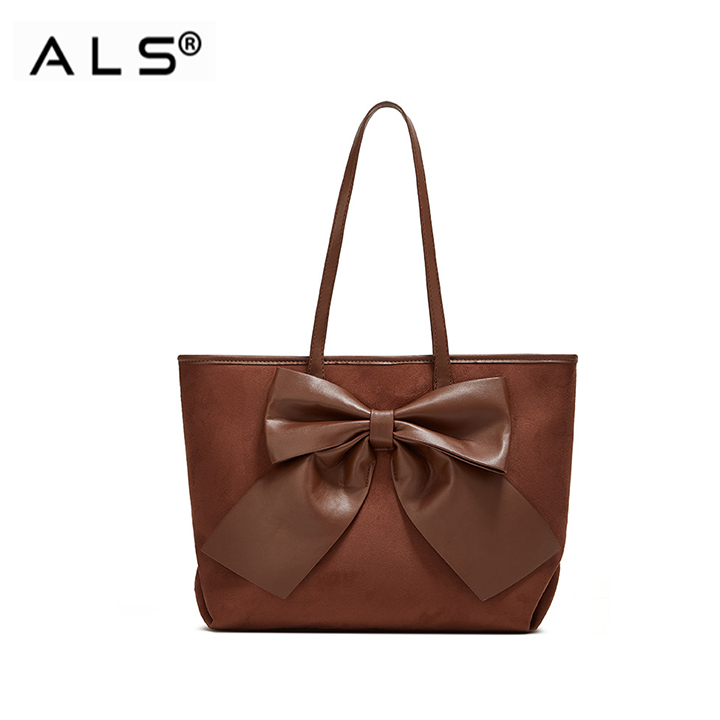
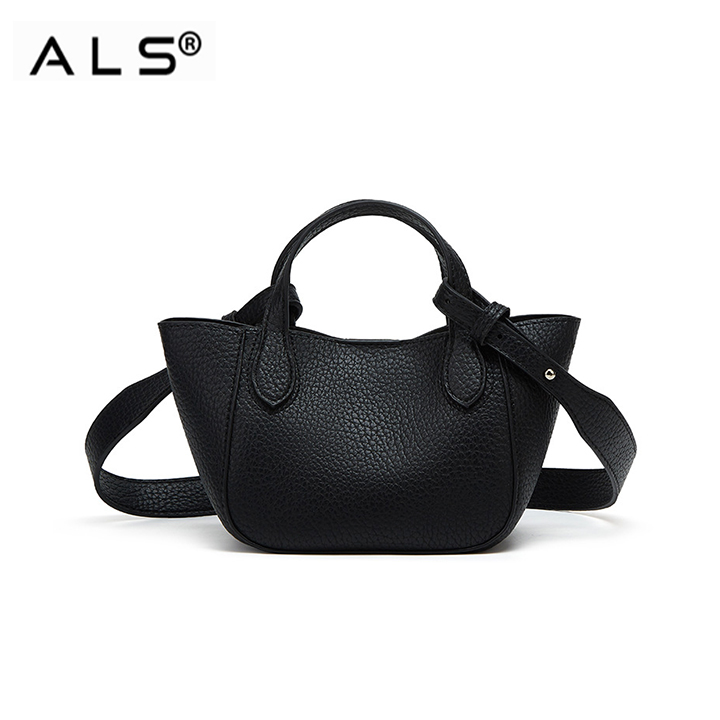
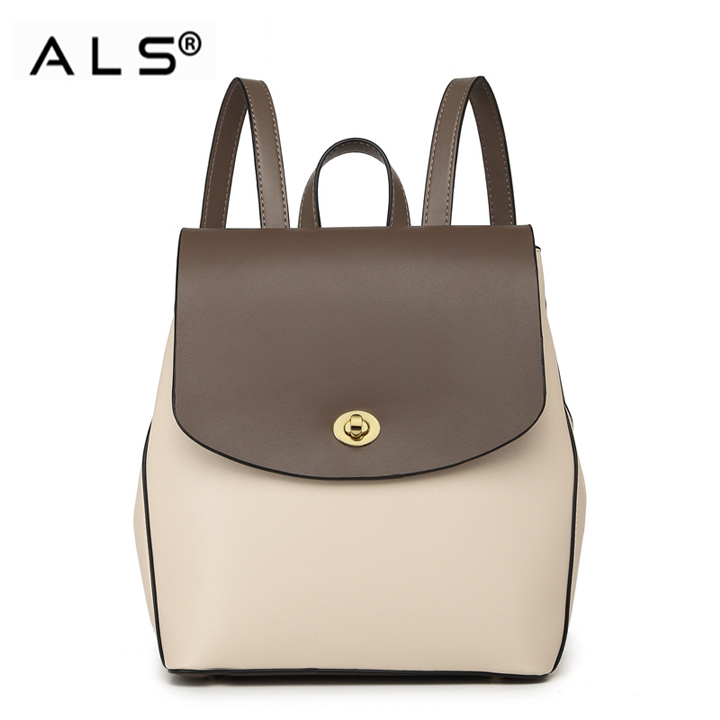
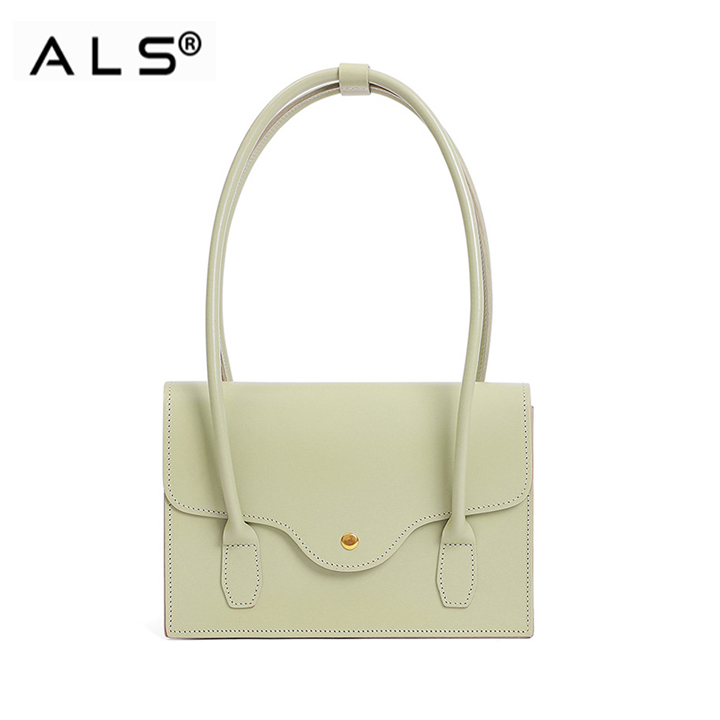
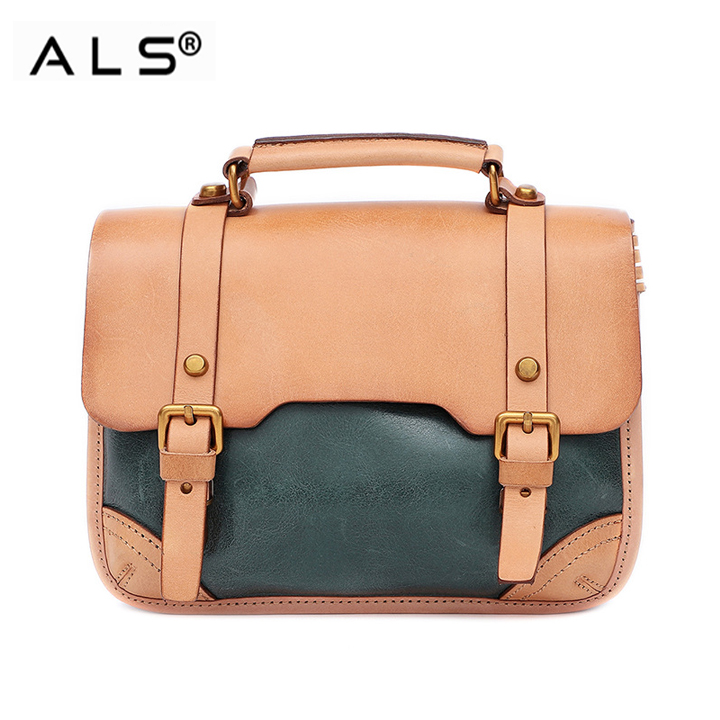
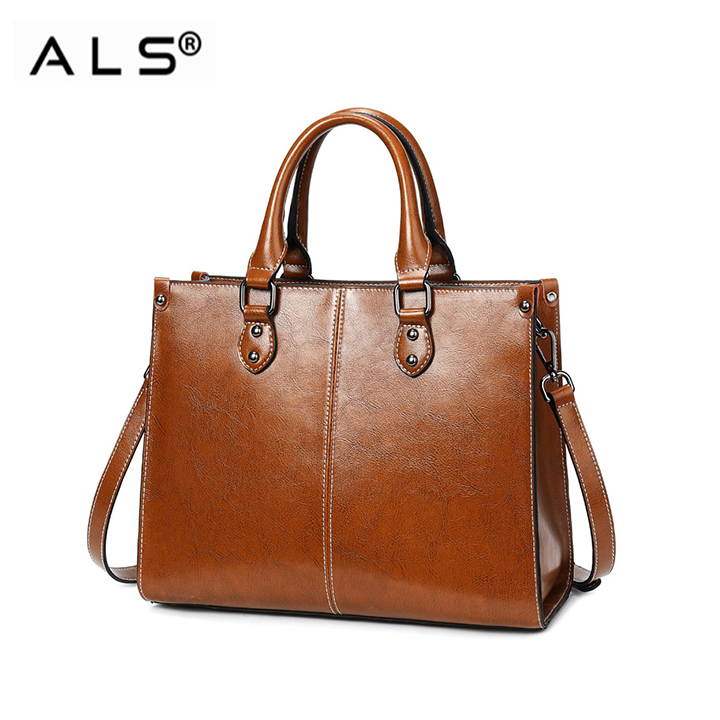
Quality cannot be inspected into a product at the end—it must be built throughout production. HECHENG Bags Co., Ltd ensures Quality Assured manufacturing at our Vietnam factory through Rigorous In-Line Inspections at every stage. With Vietnam's leather industry rapidly maturing and global brands demanding consistent quality , our inspection protocols catch issues before they become defects, protecting your brand reputation.
Why In-Line Inspections Beat Final-Only Checks
Traditional factories inspect only finished products, discovering defects after full labor and material investment. Rework is expensive, and some defects cannot be fixed. HECHENG's in-line inspection model:
Identifies issues at the earliest stage
Prevents defective components from progressing
Reduces rework costs and delays
Ensures consistency across your entire order
Documents quality at every step
Every leather bag, leather backpack, leather tote bag, leather crossbody bag, and leather belt bag benefits from this systematic approach.
Inspection Point 1: Raw Material Verification
Before any cutting begins:
Leather Inspection — Each hide examined for grain consistency, thickness uniformity, surface defects, and color matching. Rejected hides return to supplier.
Hardware Testing — Zippers cycle-tested, buckles checked for smooth operation, rivets verified for proper forming.
Lining Verification — Fabric weight, color, and pattern confirmed against specifications.
Thread and Adhesive Check — Color matching, tensile strength, and chemical compliance verified.
Only approved materials proceed to your leather backpack or leather tote bag production.
Inspection Point 2: Cutting Stage Verification
After cutting but before assembly:
Panel Accuracy — Cut pieces measured against pattern specifications. Tolerance: ±1mm for critical dimensions.
Grain Direction — Confirmed consistent across matching panels.
Defect Rejection — Any panels with surface flaws removed from production.
Piece Counting — Quantities verified against cutting orders.
Batch Tagging — Each panel batch tagged for traceability.
Your leather crossbody bag panels receive individual verification before stitching begins.
Inspection Point 3: Skiving and Edge Preparation
Before assembly:
Thickness Reduction — Skived areas measured for proper depth.
Edge Condition — Cut edges inspected for cleanliness.
Fold Line Preparation — Creased areas verified for alignment.
Adhesive Application — Where used, coverage and placement checked.
Inspection Point 4: Sub-Assembly Quality
During initial assembly stages:
Pocket Attachment — Position, stitch count, and reinforcement verified.
Zipper Installation — Alignment, smooth operation, and end-tack security checked.
Handle Formation — Padding placement, stitch density, and reinforcement confirmed.
Strap Assembly — Length, width, and attachment point accuracy measured.
Every leather belt bag component is inspected before final assembly.
Inspection Point 5: Final Assembly Monitoring
During main assembly:
Seam Alignment — Matching panels checked for proper positioning.
Stitch Quality — Density (8-10 stitches per inch), tension, and thread condition monitored continuously.
Corner Construction — Reinforcement and turning quality verified.
Closure Installation — Magnetic snaps, buckles, or zippers checked for alignment and function.
Edge Finishing — Paint or wax application inspected for coverage and smoothness.
Inspection Point 6: Completed Product Examination
Before packaging:
Full Visual Inspection — Every leather bag examined under proper lighting.
Function Testing — Zippers, snaps, buckles, and straps operated through full range.
Dimensional Check — Overall measurements confirmed against specifications.
Hardware Security — Rivets, feet, and attachments tested for proper setting.
Lining Inspection — Interior checked for tears, wrinkles, or loose threads.
Cleaning and Finishing — Surface cleaned, protective film applied where specified.
Our inspection program follows AQL (Acceptable Quality Limit) 2.5 international standards:
Major defects (functionality issues): 0-1.5% acceptable
Minor defects (cosmetic issues): 1.5-2.5% acceptable
Critical defects (safety or legal): 0% acceptable
Any batch exceeding limits triggers 100% inspection and rework.
Defect Classification
Critical Defects (Zero tolerance):
Sharp edges or exposed hardware points
Chemical odor indicating improper treatment
Flammability or safety violations
Major Defects (1.5% limit):
Zipper that sticks or separates
Strap attachment failure under light load
Seam separation
Closure that won't secure
Minor Defects (2.5% limit):
Loose thread ends
Slight color variation within tolerance
Minor edge finish imperfections
Hardware surface scratches
Documentation and Traceability
Every leather bag order includes:
Inspection Reports — Dated records from each inspection point
Defect Logs — Types, frequencies, and corrective actions taken
Pass/Fail Statistics — AQL calculations with batch acceptance status
Sample Retention — Approved samples kept for comparison
Corrective Action Records — Issues addressed and prevention measures
Inspection by Product Category
Leather Backpack — Additional inspection points: strap padding, lumbar support, laptop compartment security, and luggage strap attachment.
Leather Tote Bag — Focus on handle reinforcement, bottom gusset strength, and closure alignment.
Leather Crossbody Bag — Emphasis on strap adjuster function, D-ring security, and flap alignment.
Leather Belt Bag — Critical attention to buckle attachment, webbing strength, and back panel comfort.
Our inspection data drives improvement:
Weekly Review — Defect patterns identified and addressed
Operator Feedback — Inspection findings shared with production staff
Process Adjustment — Procedures modified to prevent recurring issues
Supplier Evaluation — Material problems traced and resolved with vendors
Customer Reporting — Quality summary provided with each shipment
Third-Party Inspection Options
Buyers may arrange independent inspection:
SGS, TÜV, or buyer-nominated inspectors welcome
Inspection timing coordinated with production completion
Additional cost borne by buyer unless otherwise agreed
Results binding for shipment release if specified
Partner with HECHENG for Quality Assurance
Brands seeking consistent quality need manufacturing partners with rigorous inspection systems, not just final checks.